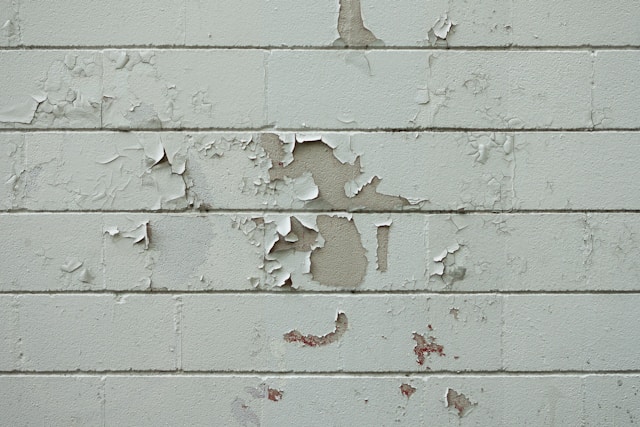

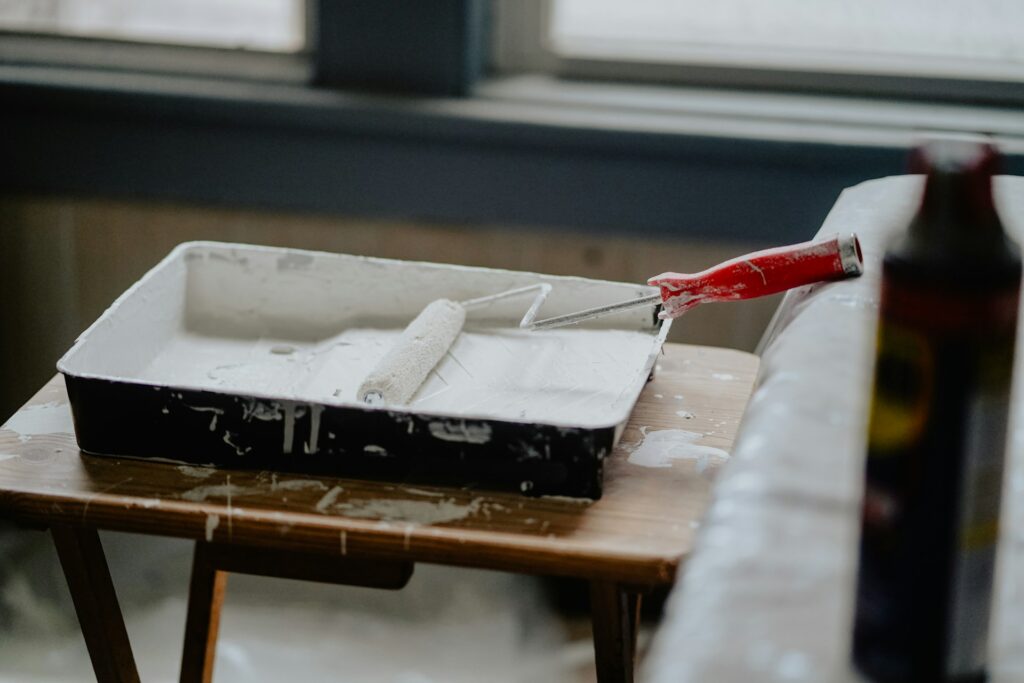
Bathrooms are notoriously challenging for paint. High humidity, frequent temperature changes, and constant water exposure can lead to peeling, bubbling, and fading, even on walls freshly painted with premium products. If you want long-lasting, flawless walls, you need more than just paint—it’s a combination of material selection, surface prep, and moisture control.
1. Select High-Performance Bathroom Paint
Not all paints are designed for wet environments. For maximum durability, choose:
- Moisture- and mildew-resistant paints: Look for paints labeled for bathroom, kitchen, or high-humidity use.
- Semi-gloss or satin finishes: These finishes resist water penetration better than flat or matte paints.
- Anti-microbial additives: Some paints prevent mold and mildew growth on the surface.
Pro tip: Even premium paints fail on untreated walls—paint quality alone isn’t enough.
2. Advanced Wall Preparation Techniques
The adhesion and longevity of paint depend heavily on preparation:
- Thorough cleaning: Remove soap scum, oils, and dust using a pH-neutral cleaner.
- Surface repair: Fill cracks and smooth uneven plaster; sanding ensures better paint bonding.
- Use a high-quality primer: Apply a moisture-blocking primer to prevent water from seeping into porous walls.
Without proper prep, paint will peel within months, no matter how expensive it is.
3. Moisture and Ventilation Management
Humidity control is essential to avoid paint damage:
- Install a high-capacity exhaust fan: A fan rated for your bathroom size should remove at least 50 cubic feet per minute per 50 sq ft.
- Vent windows when possible, especially after showers.
- Dehumidifiers in poorly ventilated bathrooms can help maintain optimal moisture levels (ideally 30–50% RH).
Pro tip: Steam is the #1 enemy of bathroom paint. Proper ventilation significantly extends paint life.
4. Correct Application Techniques
Even the best paint will fail if applied incorrectly:
- Apply thin, even coats. Thick layers trap moisture and take longer to dry.
- Allow full drying between coats (check manufacturer recommendations).
- Avoid painting when the bathroom is excessively humid; wait for a dry day or run the exhaust fan for several hours before painting.
5. Protective Measures for High-Moisture Areas
Some areas are constantly exposed to splashes:
- Splash zones: Apply a water-resistant clear coat over paint in areas around sinks and tubs.
- Backsplashes: Tiles or waterproof panels behind sinks and bathtubs provide long-term protection while adding style.
- Silicone seals: Use high-quality caulking at corners and seams to prevent water infiltration behind walls.
6. Long-Term Maintenance Strategies
Even the best paint needs care:
- Regular cleaning: Wipe walls gently with mild soap and water. Avoid harsh abrasives.
- Periodic inspection: Look for early signs of peeling, bubbling, or discoloration. Address small issues immediately.
- Humidity monitoring: Keep humidity under control, particularly in bathrooms without windows.
Pro tip: A proactive approach—correct paint, ventilation, and maintenance—can give your bathroom walls 5–10 years of pristine finish.
Preventing bathroom paint from peeling or damaging walls requires a systematic approach combining paint selection, preparation, ventilation, and maintenance. By following advanced techniques, you can enjoy a moisture-resistant, long-lasting finish that keeps your bathroom looking fresh and flawless for years to come.