
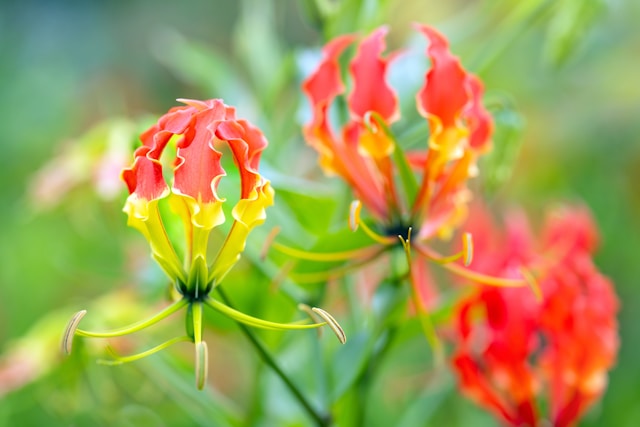

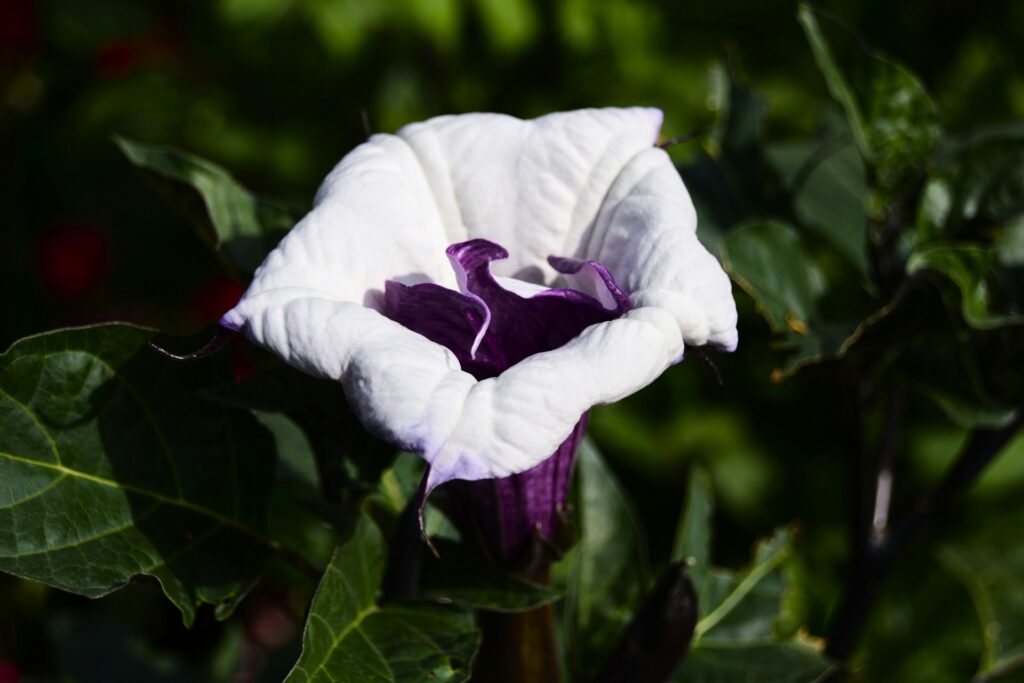
Gardening is one of life’s simple joys. There’s something magical about stepping into a garden full of colors, fragrances, and textures, where each flower seems to tell a story. But as enchanting as gardens can be, not every plant is entirely safe. Some of the most beautiful flowers are, in fact, poisonous. These blooms might draw bees, birds, and admiration, but they also come with hidden dangers. Knowing which flowers are toxic, where they grow best, and how to handle them can make a huge difference if you have children or pets around.
Let’s explore twenty poisonous flowers you might encounter in your garden and discover what makes them both stunning and risky.
1. Oleander
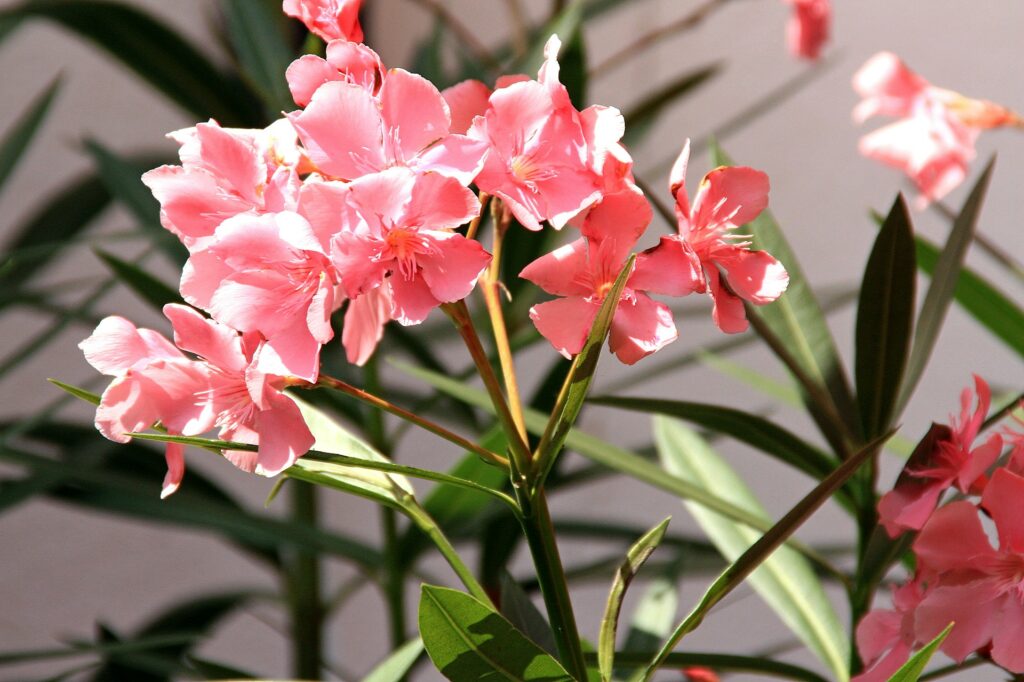
Oleander is one of those shrubs that catches every eye with its dense clusters of pink, red, or white blooms. Its glossy, narrow leaves add elegance to any garden, making it a popular choice in Mediterranean and subtropical regions. However, all parts of the plant are highly toxic, containing compounds that can affect the heart. Even a small nibble can be dangerous, so if you love oleander for its charm, plant it well away from areas where children and pets play. It thrives across Southern Europe, North Africa, the Middle East, southern United States, and parts of India, where the climate is warm and sunny.
2. Foxglove
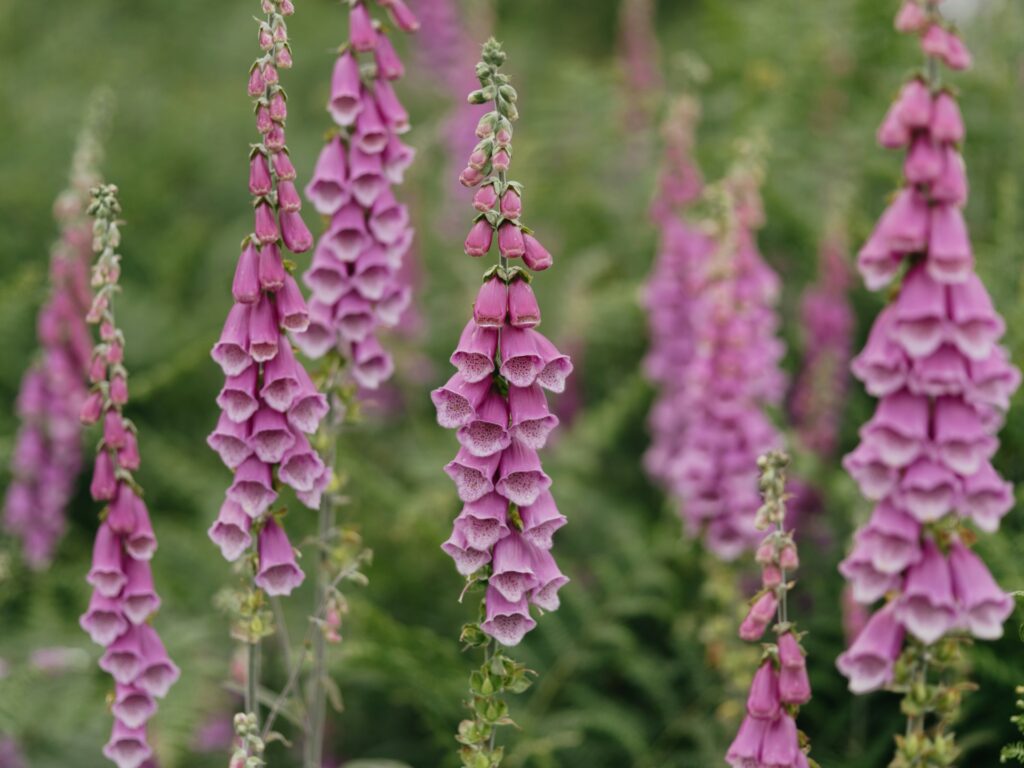
Foxglove, or Digitalis, is famous for its tall spikes of bell-shaped flowers, which often appear in shades of purple, pink, or white. Its soft, hairy leaves add a lovely texture to the garden. Foxglove is a favorite in cottage gardens, especially in temperate climates with partial shade and well-drained soil. But beauty comes with caution—digitalis compounds in the plant can disrupt heart rhythm if ingested. Native to Europe, it is now cultivated widely in North America and Asia. A touch of gloves while handling is always a good idea.
3. Lily of the Valley
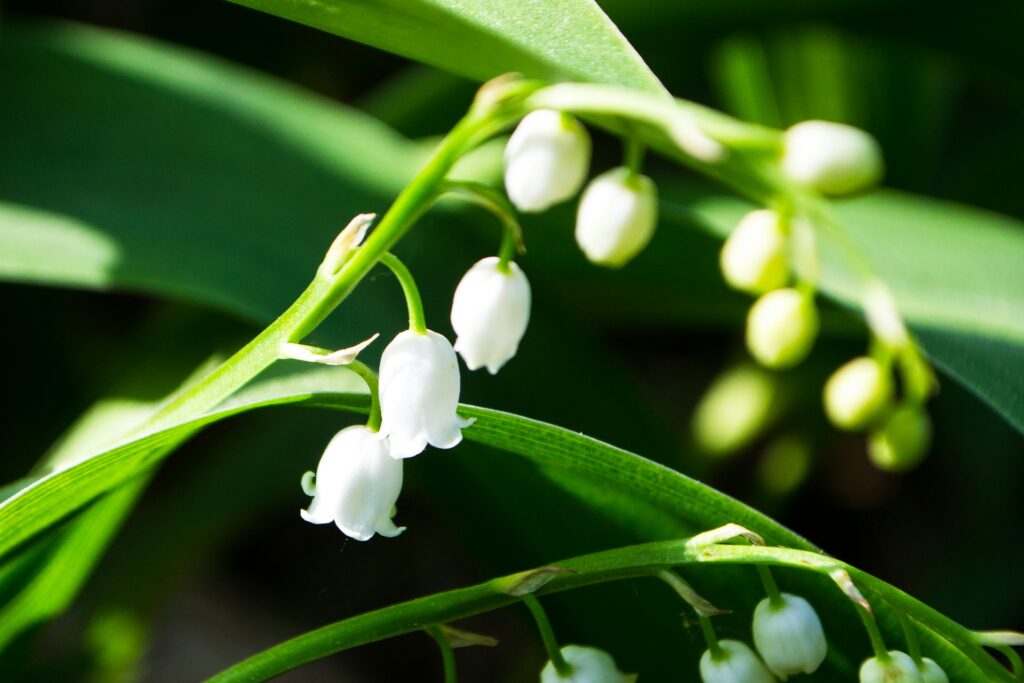
Lily of the Valley is another elegant flower that charms gardeners with its tiny white bells and sweet fragrance. Native to Europe and Asia, it flourishes in cool, temperate climates with moist, well-drained soil. While it looks delicate, every part of the plant contains cardiac glycosides, which can cause nausea, vomiting, or even heart issues if ingested. Lily of the Valley is best grown in shaded garden areas, admired for its fragrance but never tasted.
4. Daffodils
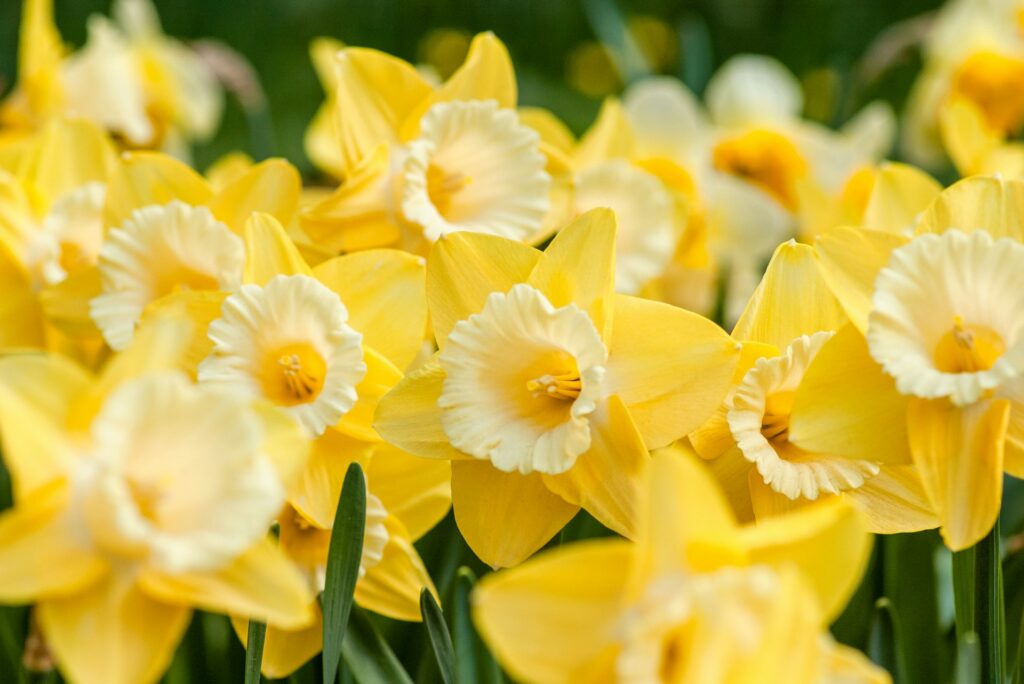
Daffodils bring a burst of cheer in early spring with their trumpet-shaped yellow, white, or orange blooms. Their strap-like green leaves are unmistakable and instantly recognizable. While the flowers brighten any garden, the bulbs contain lycorine, which can induce vomiting or stomach pain if eaten. Native to Europe and North Africa, daffodils grow well in temperate regions worldwide, including North America and Asia. Plant them in decorative beds or containers to keep curious little hands or pets from digging them up.
5. Rhododendrons and Azaleas
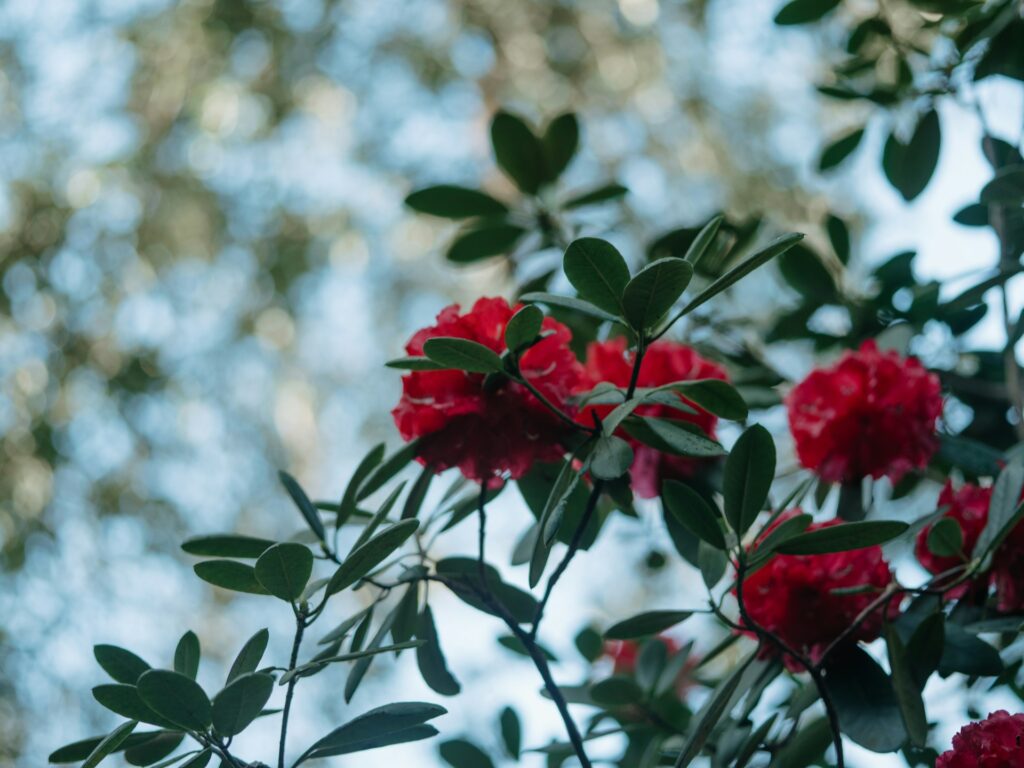
Rhododendrons and Azaleas are prized for their large, showy clusters of flowers in pink, purple, red, white, or yellow. Evergreen or deciduous, their leaves and flowers contain grayanotoxins that can cause nausea, vomiting, and heart problems if ingested. These shrubs prefer cool, temperate, mountainous climates with acidic soil. Native to Europe, Asia, and North America, they are a common ornamental choice in gardens worldwide. Keeping pets away from leaves is crucial for safety.
6. Hydrangeas
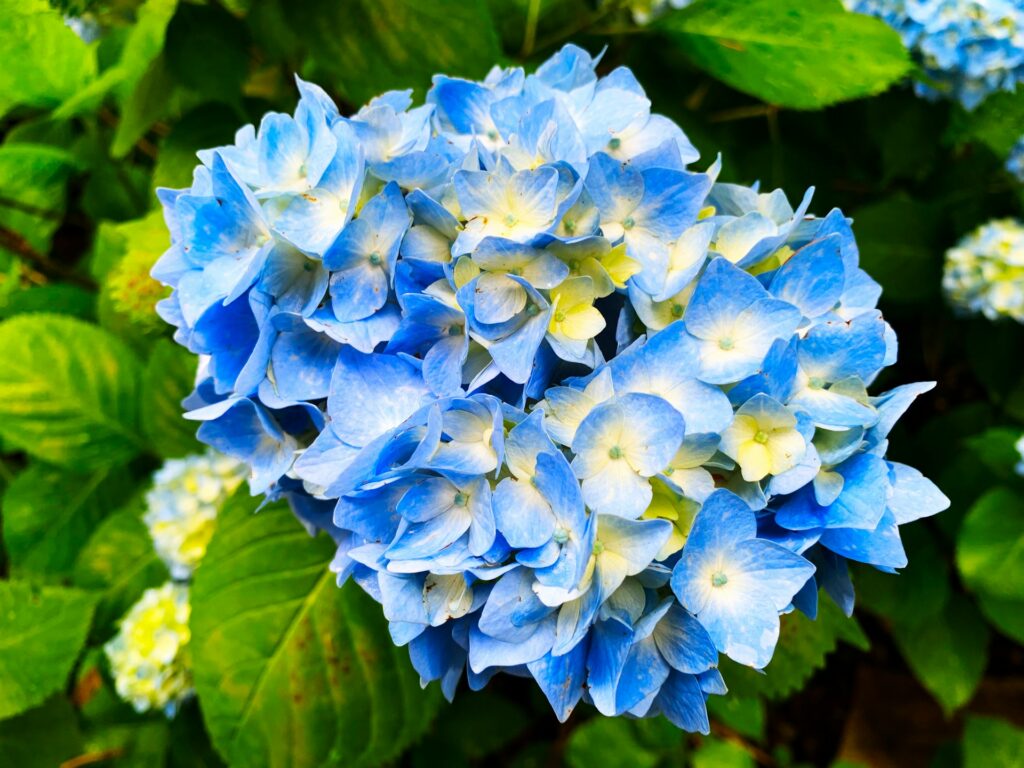
Hydrangeas are adored for their large, round blooms that can shift color from pink to blue depending on soil pH. Their glossy green leaves complement the flowers beautifully. Hydrangeas grow best in temperate climates with partial sun and rich, moist soil. Native to Asia and the Americas, they are cultivated worldwide. Though stunning, the leaves contain cyanogenic compounds, so it’s important to admire without ingesting.
7. Autumn Crocus
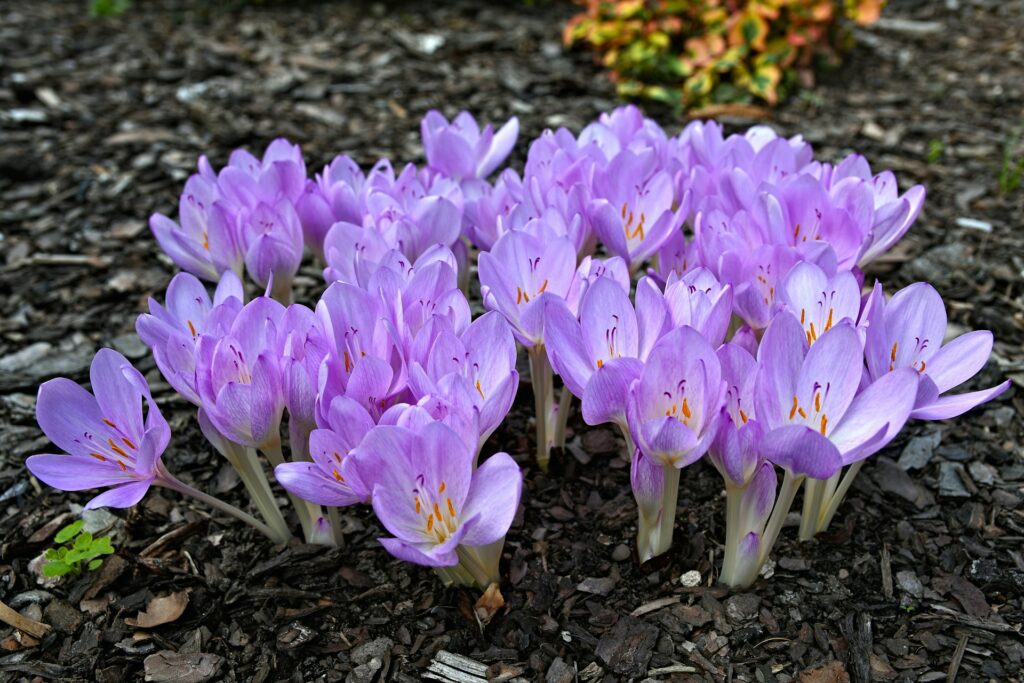
Autumn Crocus, often mistaken for spring crocus, blooms in the fall with delicate purple or pink flowers and slender green foliage. Its charm is deceptive; the plant contains colchicine, which is highly toxic to humans and pets, affecting the digestive system and kidneys. It thrives in temperate climates across Europe but is also grown in gardens worldwide. Plant it in beds where accidental contact is unlikely.
8. Aconite
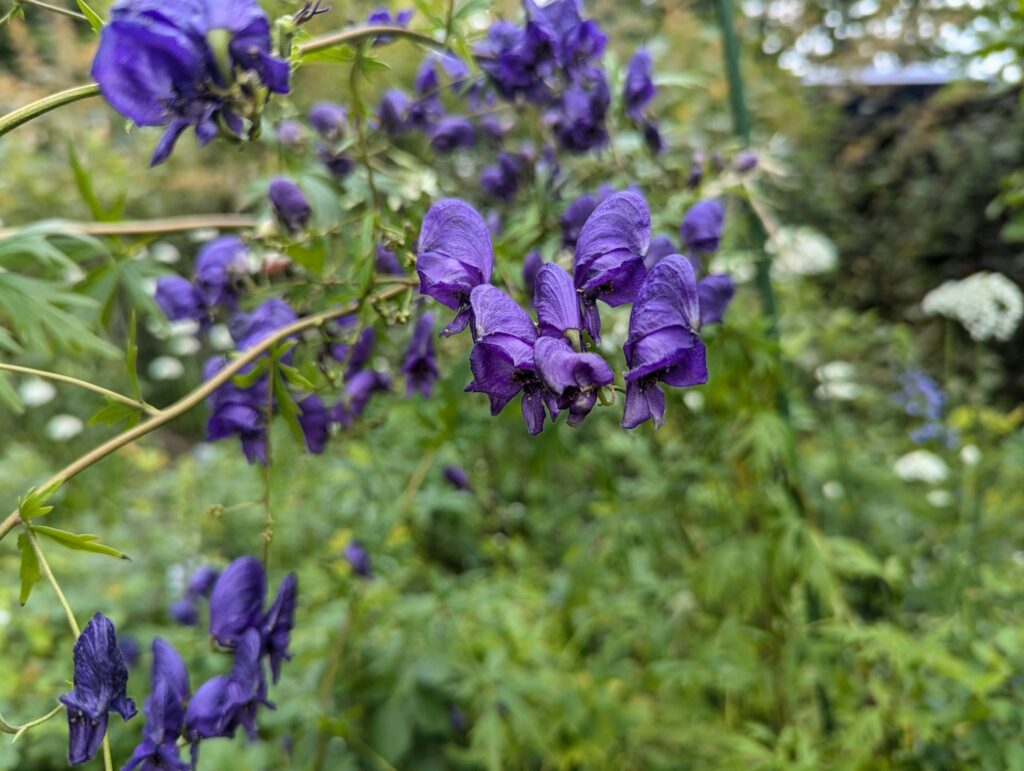
Aconite, also called Monkshood or Wolfsbane, has striking deep blue or purple hood-shaped flowers atop tall spikes, complemented by palmate leaves. Native to Europe, North America, and Asia, it flourishes in cool temperate climates with moist, rich soil. Aconite contains aconitine, a potent neurotoxin affecting both the heart and nervous system. Its dramatic beauty makes it a favorite among experienced gardeners, but gloves and extreme caution are essential when handling it.
9. Calla Lilies
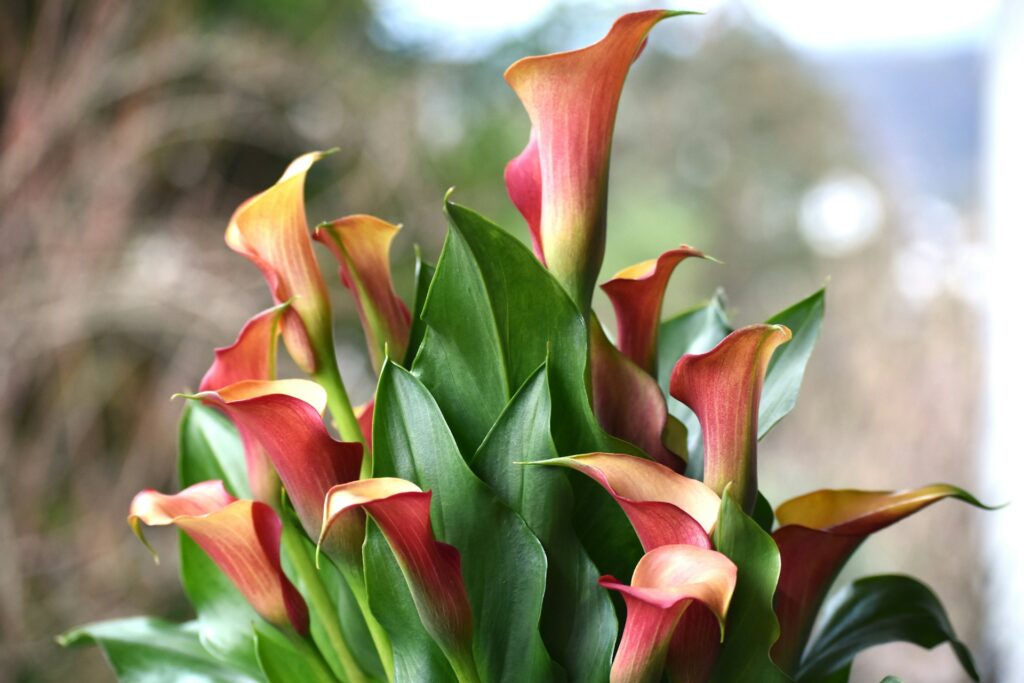
Calla Lilies are known for their elegant trumpet-shaped blooms, which come in white, pink, yellow, or purple, paired with glossy green leaves. Native to southern Africa, they grow well in tropical and subtropical regions with full sun to partial shade. Their calcium oxalate crystals can cause irritation, swelling, and vomiting if ingested. While perfect for decorative beds or pots, they must be kept out of reach of children.
10. Delphiniums
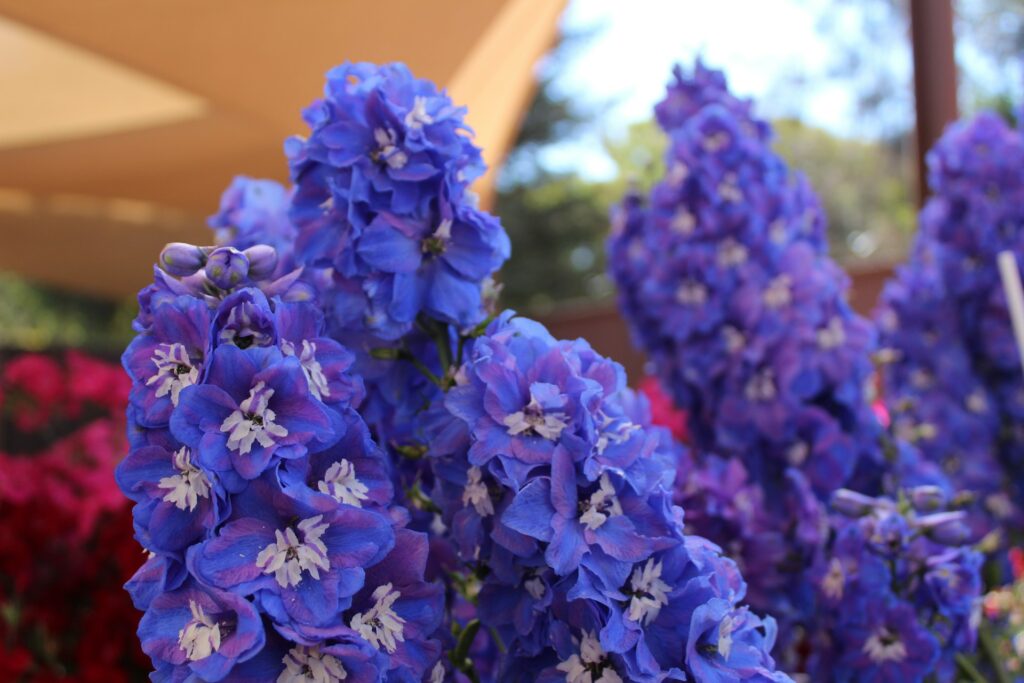
Delphiniums are bold plants with tall spikes of blue, purple, pink, or white flowers, often used to create dramatic vertical interest in gardens. Native to the Northern Hemisphere, especially North America and Europe, they thrive in cool temperate climates with rich, well-drained soil. All parts are poisonous, affecting the heart and nervous system. Wearing gloves while planting is recommended, and pets should be kept away.
11. Daphne
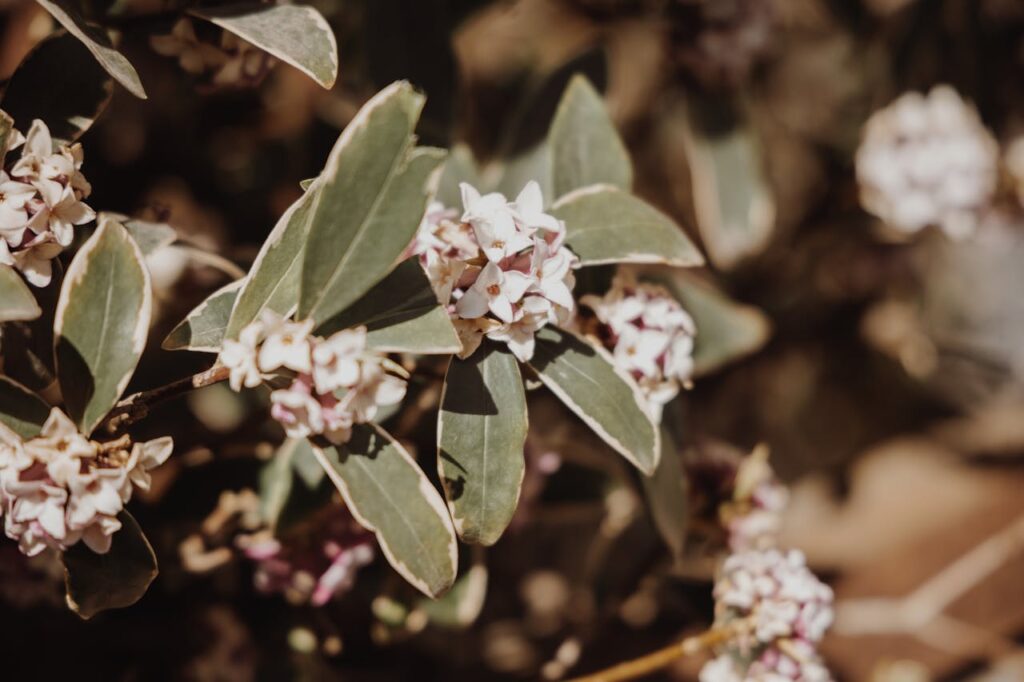
Daphne produces small, fragrant flowers, often in pink or white, and blooms early in the season. Native to Europe and Asia, it grows best in temperate climates with partial shade. Both the berries and sap are toxic, causing nausea, vomiting, and diarrhea. Daphne is lovely in garden borders, but gloves are essential when handling it.
12. Gladiolus
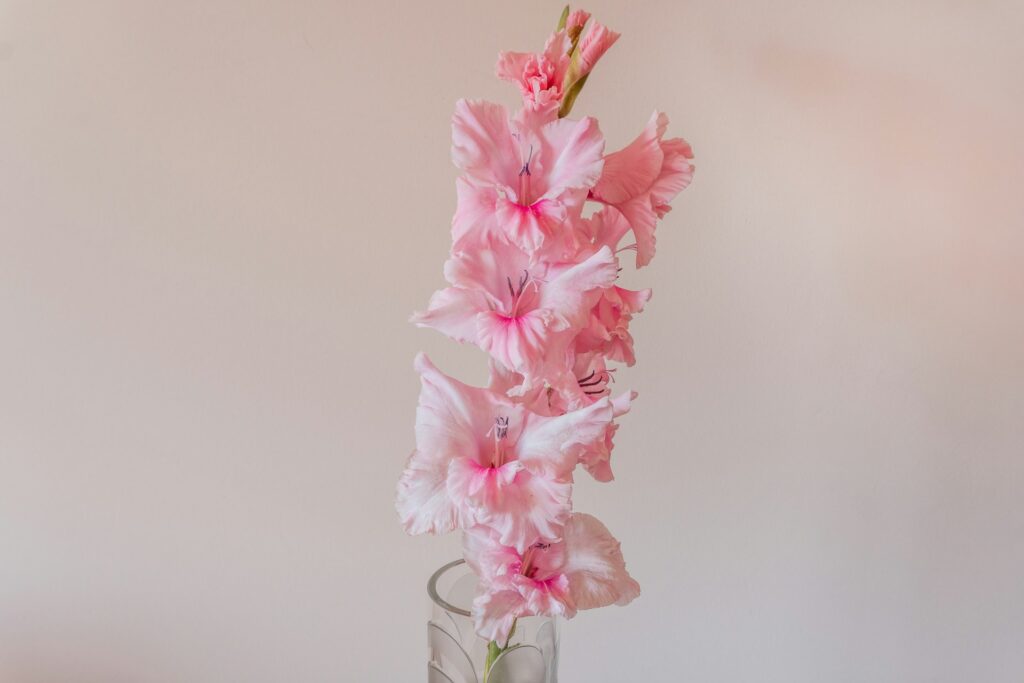
Gladiolus is a summer favorite with tall spikes of colorful blooms in reds, pinks, whites, and yellows. Native to South Africa, they grow well in warm climates with well-drained soil and full sun exposure. The bulbs are toxic if ingested, so these flowers are best admired in decorative beds or pots where pets and children cannot reach them.
13. Iris
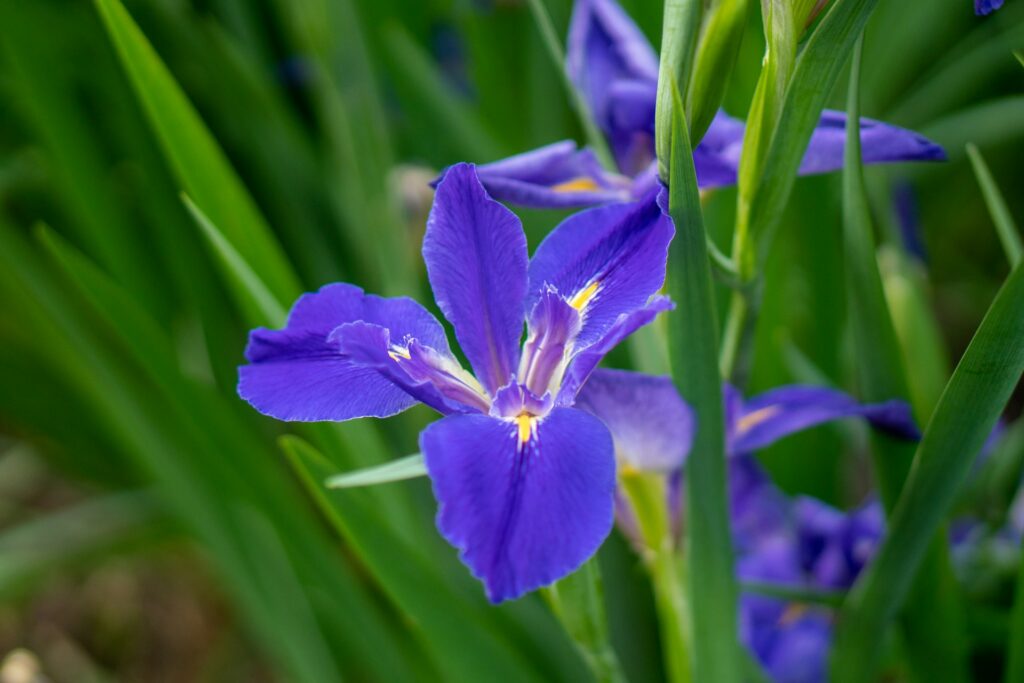
Iris has elegant, sword-shaped leaves and beautiful blooms in blue, purple, white, and yellow. Rhizomes contain compounds that can cause nausea, vomiting, and skin irritation. Irises flourish in temperate climates with full sun and moist, well-drained soil. Native to the Northern Hemisphere, they are widely cultivated in Europe, Asia, and North America.
14. Kalmia
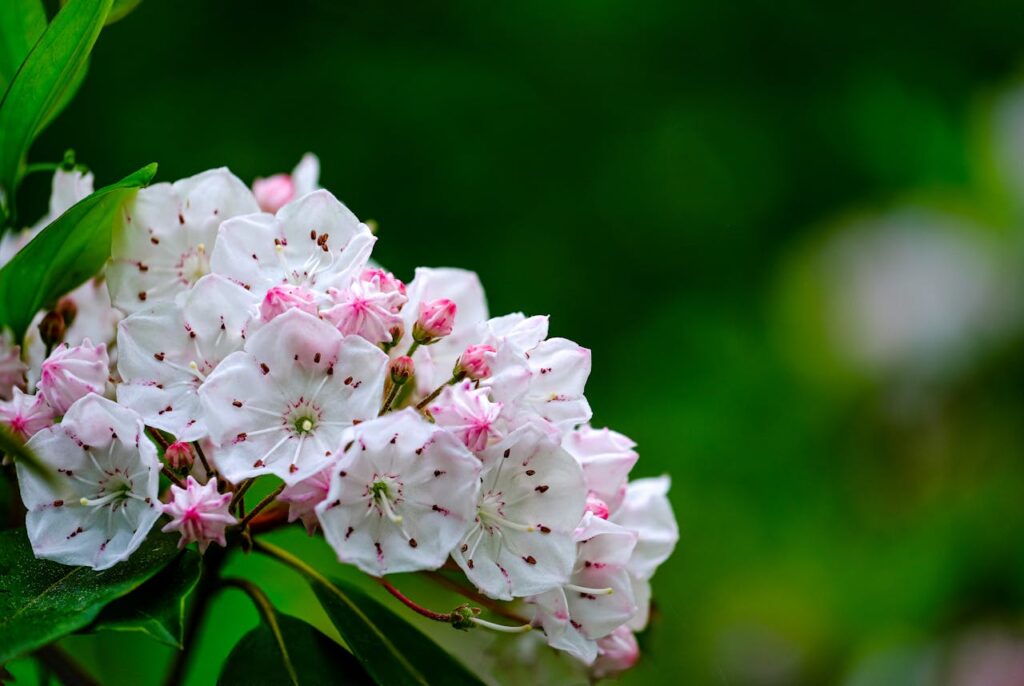
Kalmia or Mountain Laurel, is a woodland shrub with clusters of pink or white flowers that are especially striking in spring. Native to North America, it thrives in cool, temperate forests with acidic soil. Every part of the plant is toxic, causing nausea and heart irregularities if ingested. It’s ideal for shaded garden areas, admired from a distance.
15. Morning Glory
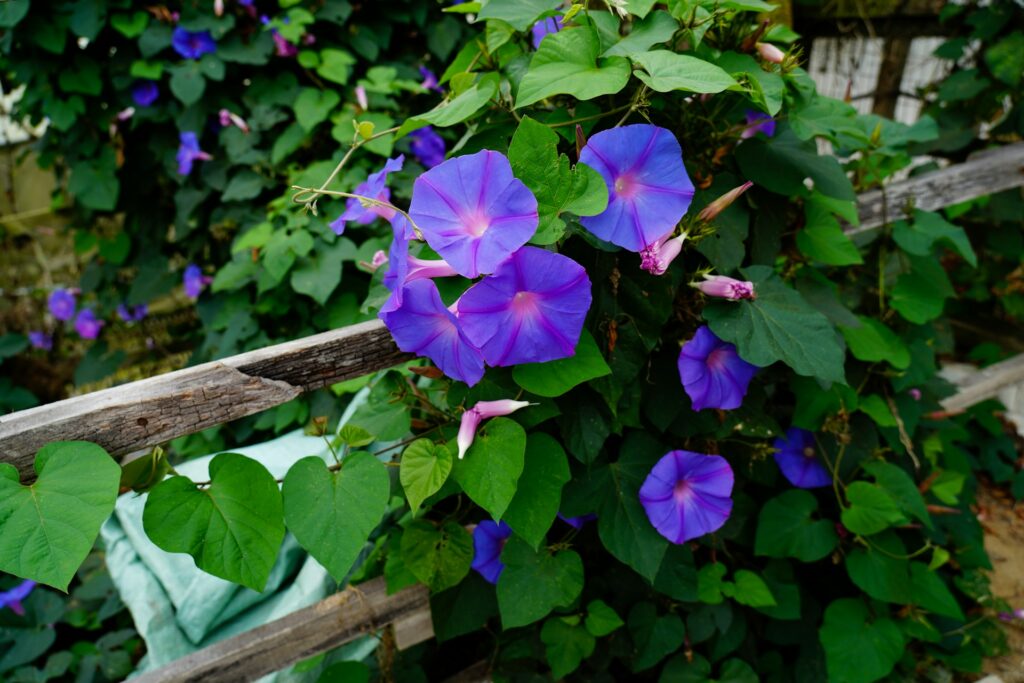
Morning Glory produces trumpet-shaped flowers in shades of blue, pink, and purple that open in the morning sun. Native to tropical and subtropical regions worldwide, its seeds contain toxic alkaloids. While the blooms attract pollinators, children should be discouraged from touching or tasting the seeds.
16. Sweet Pea
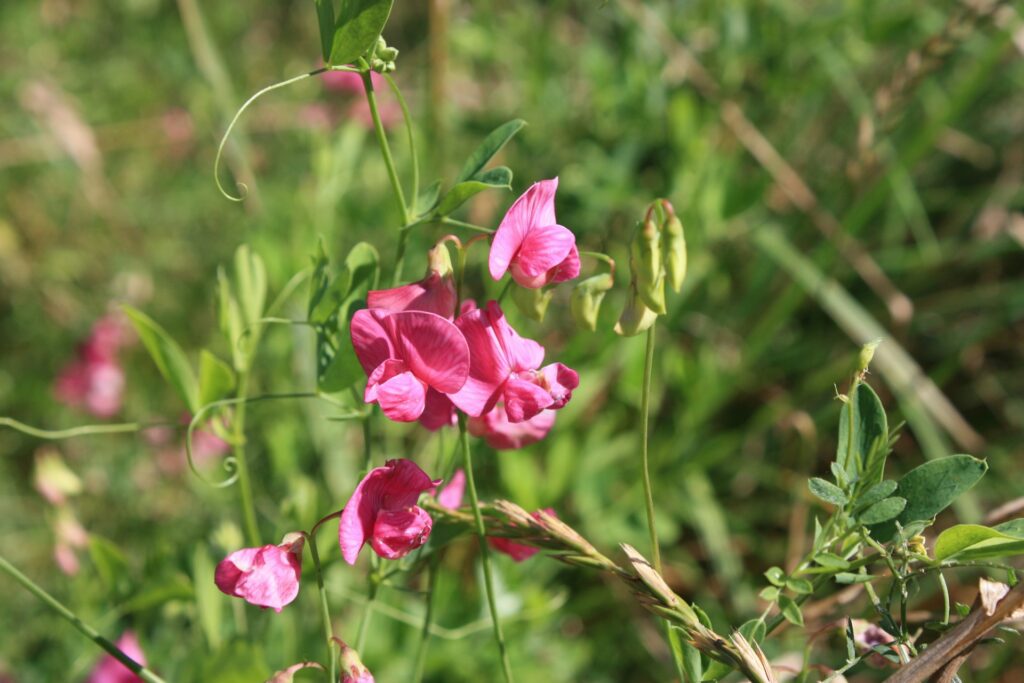
Sweet Pea (annual) creates delicate, fragrant blooms in a rainbow of colors and is often grown on trellises or fences. Its seeds are poisonous and can cause nausea, weakness, and nervous system problems if ingested. Sweet peas flourish in temperate climates with full sun and well-drained soil and are native to the Mediterranean region.
17. Bleeding Heart
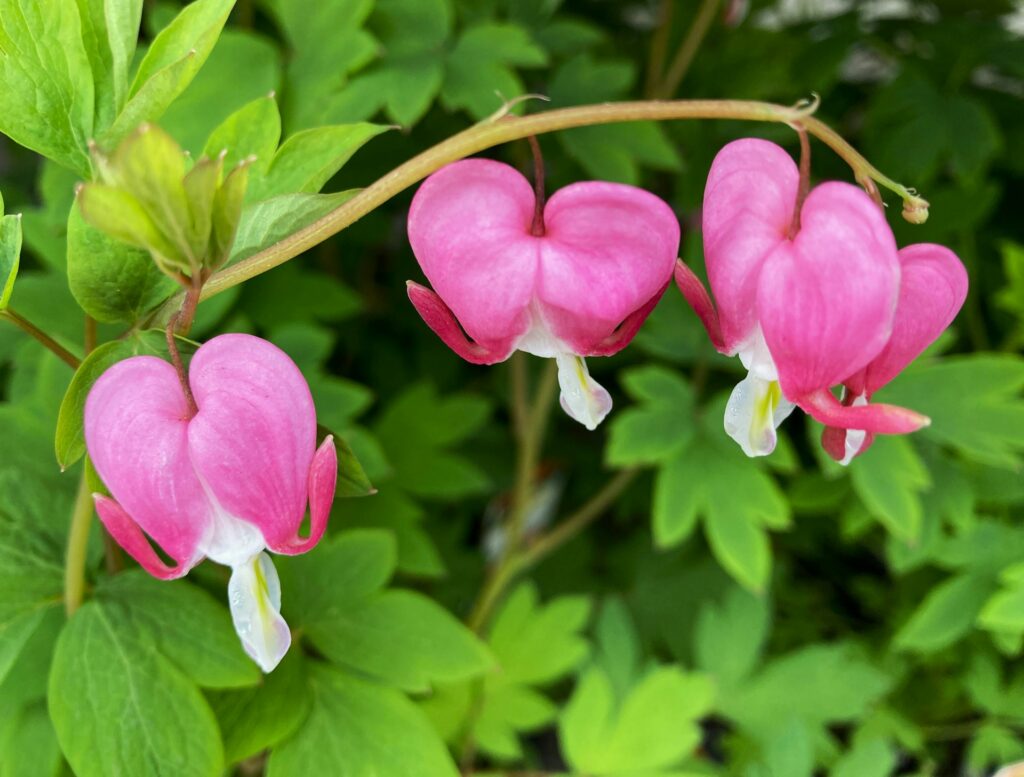
Bleeding Heart has arching stems with charming heart-shaped pink or white flowers. Native to Asia and Siberia, it thrives in cool, shaded garden spots with moist, rich soil. All parts of the plant are poisonous, causing nausea and skin irritation if touched or ingested.
18. Hellebore
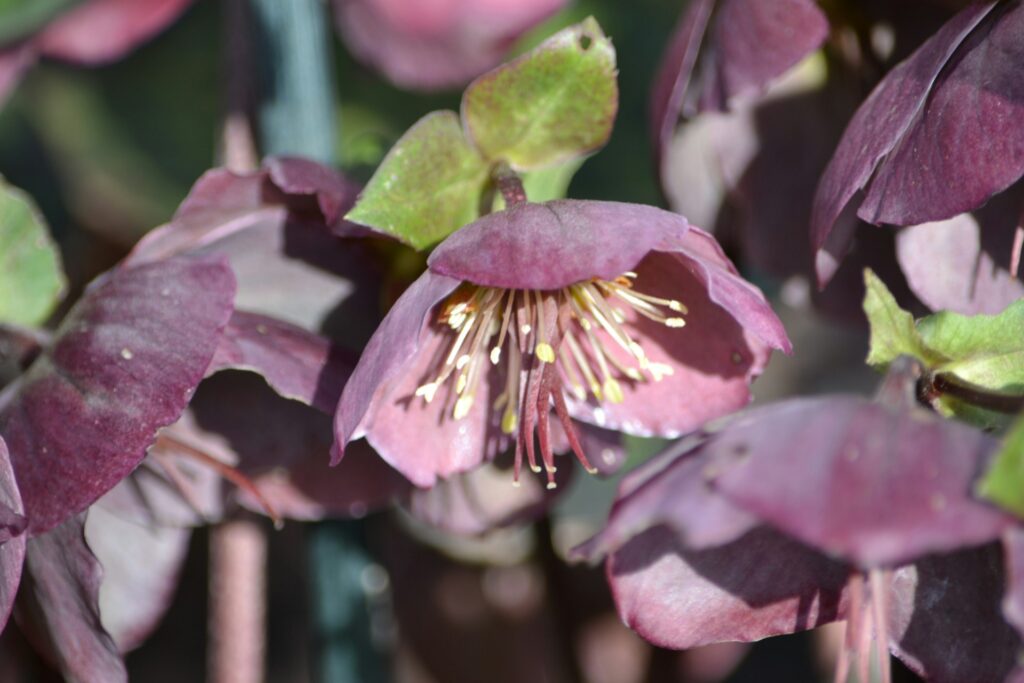
Hellebore is a winter-blooming plant with nodding flowers in shades of white, green, or purple. Native to Europe and Asia, it grows well in temperate, shaded gardens. Glycosides in the plant can cause vomiting, dizziness, and heart irregularities, so gloves are essential when handling it.
19. Devil’s Trumpet
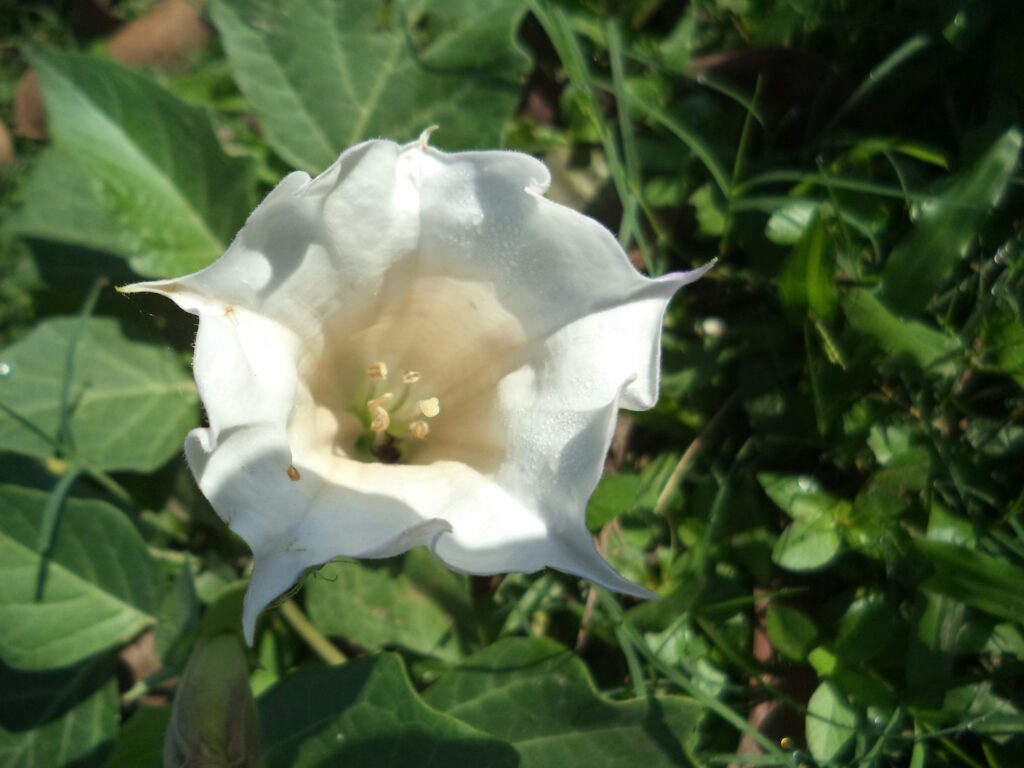
Jimsonweed or Devil’s Trumpet produces large, trumpet-shaped flowers in white or purple. Native to North America, it prefers warm climates and full sun. Highly toxic, it affects the nervous system and can cause hallucinations or serious illness if ingested. It’s best avoided entirely in home gardens.
20. Angel’s Trumpet
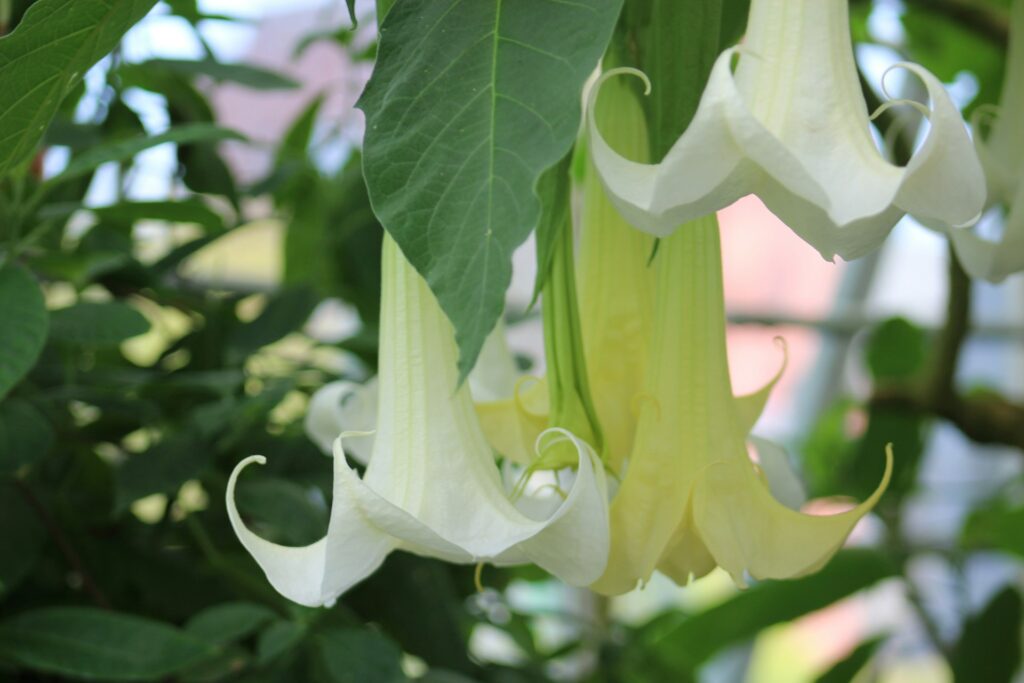
Angel’s Trumpet (Brugmansia) features large, hanging, trumpet-shaped flowers in white, pink, or yellow, and is highly fragrant at night. Native to South America, it grows in tropical and subtropical climates. All parts of the plant are deadly if ingested, causing confusion, hallucinations, and severe poisoning. If included in a garden, it should be fenced or placed where pets and children cannot reach it.
Gardening is a blend of beauty and responsibility. While poisonous flowers may be alluring for their color, fragrance, and texture, they require careful placement and handling. For a family- or pet-friendly garden, you can replace these blooms with safe alternatives such as marigolds, sunflowers, zinnias, petunias, and snapdragons. By knowing which plants are toxic, understanding their growth preferences, and creating safe garden zones, you can enjoy a vibrant, fragrant, and safe outdoor space.
Remember, safety doesn’t mean compromising on beauty. A garden can be both stunning and secure, offering joy and tranquility for everyone who steps into it.