
A small living room can be cozy and stylish, but it can also quickly feel crowded if certain decorating mistakes are made. Many homeowners believe their space feels cramped simply because of its size, yet the real problem is often the way the room is arranged and styled.
Small design decisions—such as the type of furniture you choose, how décor is displayed, or how lighting is used—can dramatically influence how spacious a room feels. When these elements are not balanced properly, the living room may start to feel cluttered and overwhelming.
Understanding the most common small living room mistakes can help you avoid these issues and create a space that feels open, comfortable, and visually appealing.
Choosing Oversized Furniture
One of the most common mistakes in small living rooms is using furniture that is too large for the space. Oversized sofas, bulky armchairs, and heavy coffee tables can dominate the room and leave little space for movement.
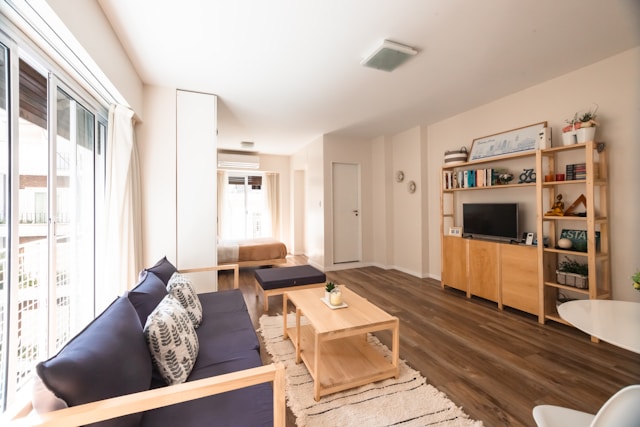
Furniture should match the scale of the room. Pieces with slimmer arms, lighter frames, and visible legs help maintain an airy feel. Compact seating options such as loveseats or streamlined sofas often work much better in smaller spaces.
When furniture fits the room properly, the living area feels balanced instead of crowded.
Using Too Many Decorative Items
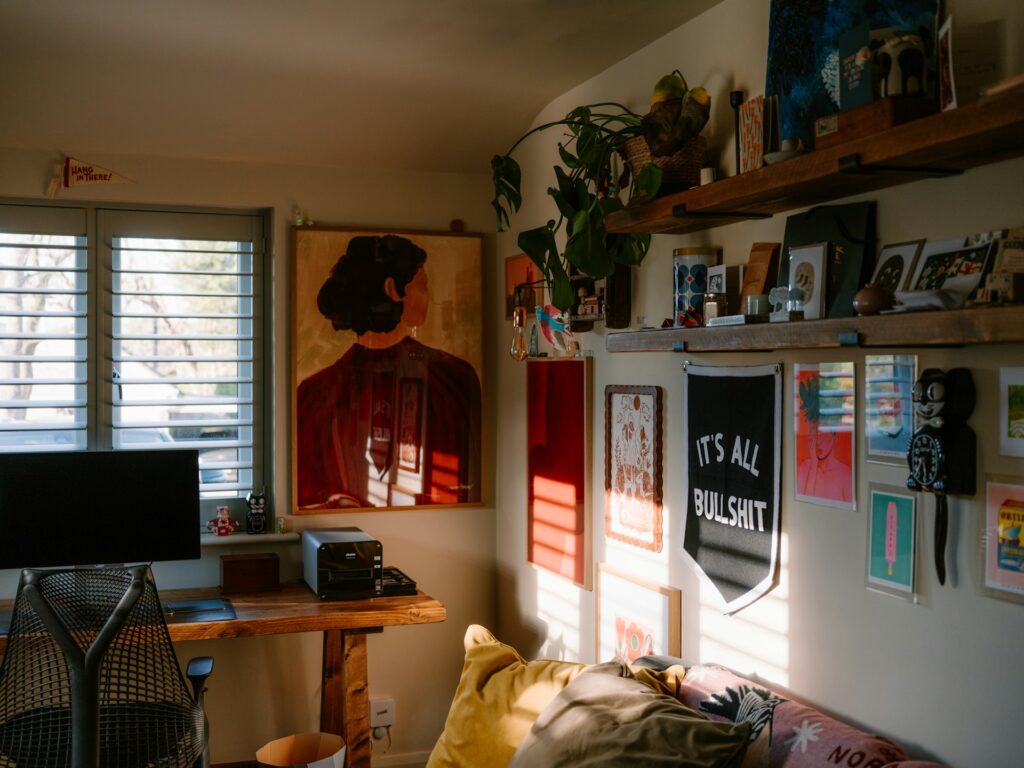
Decorating is an important part of making a home feel personal, but too many decorative objects can easily create visual clutter.
Coffee tables filled with multiple accessories, crowded shelves, and excessive wall décor can make the room feel busy and disorganized. Instead of displaying everything at once, focus on a few meaningful pieces that add character without overwhelming the space.
A simple arrangement often looks more elegant and allows each decorative element to stand out.
Selecting the Wrong Rug Size
Rugs play a big role in defining the seating area, but choosing the wrong size can make the room feel fragmented.
A rug that is too small separates furniture pieces instead of connecting them. This breaks the visual flow and makes the room appear smaller.
A properly sized rug should sit under the front legs of the sofa and chairs whenever possible. This creates a unified seating area and helps the living room feel more spacious and organized.
Blocking Natural Light
Natural light is one of the most powerful ways to make a small room feel larger. Unfortunately, heavy curtains, large cabinets, or tall furniture placed near windows can block that light.
When sunlight cannot spread throughout the room, the space may appear darker and more confined.
Using light curtains, sheer fabrics, or simply keeping window areas clear can help maximize natural light and instantly improve the openness of the room.
Ignoring Vertical Space
Many small living rooms focus only on floor space while completely ignoring the walls. When storage and décor are limited to lower furniture pieces, the room may feel crowded near the ground while the upper walls remain empty.
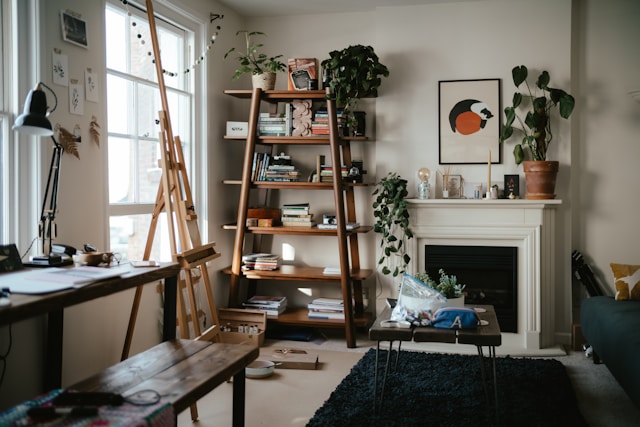
Using vertical space effectively can help balance the room. Floating shelves, tall bookcases, and vertical artwork draw the eye upward and make the space feel taller.
This approach not only increases storage options but also adds visual depth to the room.
Poor Furniture Arrangement
Even beautiful furniture can make a room feel cluttered if it is arranged poorly. When chairs and tables block pathways or crowd the center of the room, the layout becomes uncomfortable.
A well-planned arrangement should allow easy movement around the seating area. Clear walking paths help the room feel more open and functional.
Sometimes simply shifting a sofa a few inches or repositioning a chair can significantly improve the overall flow of the space.
Using Too Many Colors
Color can add personality to a living room, but using too many bold shades can create visual chaos in a small area.
When several strong colors compete for attention, the room can feel busy and overwhelming. A more cohesive color palette helps create a calmer and more spacious atmosphere.
Neutral tones combined with a few accent colors often work best for maintaining harmony while still adding interest.
Keeping Unnecessary Furniture
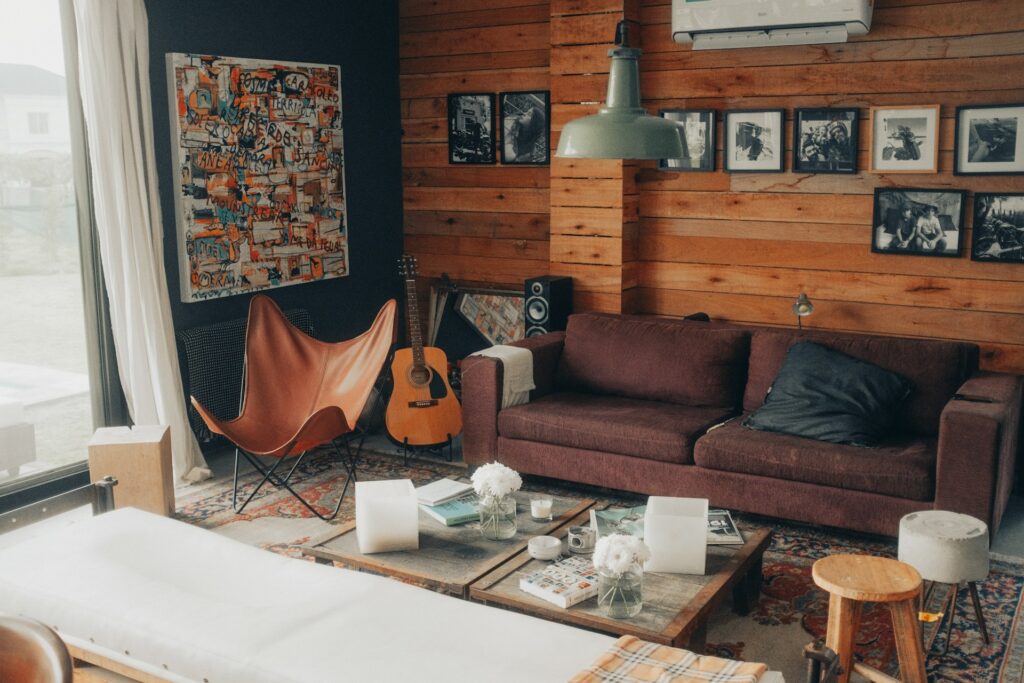
Another common mistake is filling the room with furniture that isn’t truly needed. Extra side tables, decorative chairs that are rarely used, or bulky storage units can take up valuable space.
Before adding a new piece of furniture, consider whether it serves a real purpose. Choosing fewer but more functional items keeps the room practical while maintaining a sense of openness.
Small spaces benefit greatly from thoughtful editing.
Creating a Living Room That Feels Open and Relaxed
A cluttered living room is rarely caused by the size of the space alone. More often, it results from design choices that unintentionally crowd the room.
By selecting furniture that fits the scale of the space, keeping décor simple, and maintaining a balanced layout, even a small living room can feel comfortable and visually open. When each element in the room has a clear purpose and enough space to breathe, the entire living area becomes more inviting and enjoyable to spend time in.