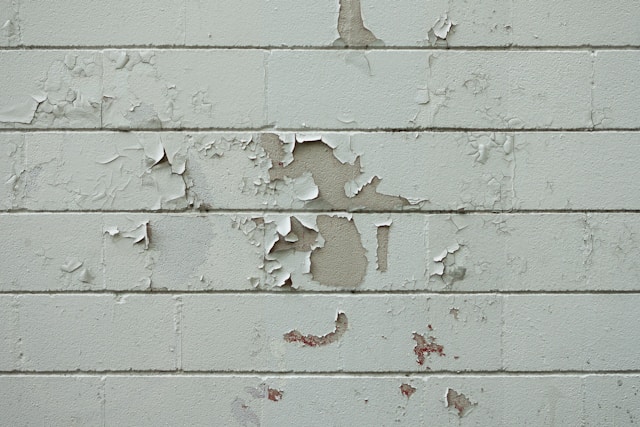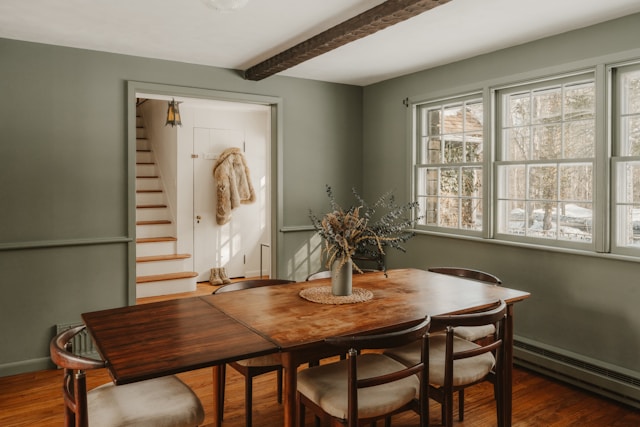
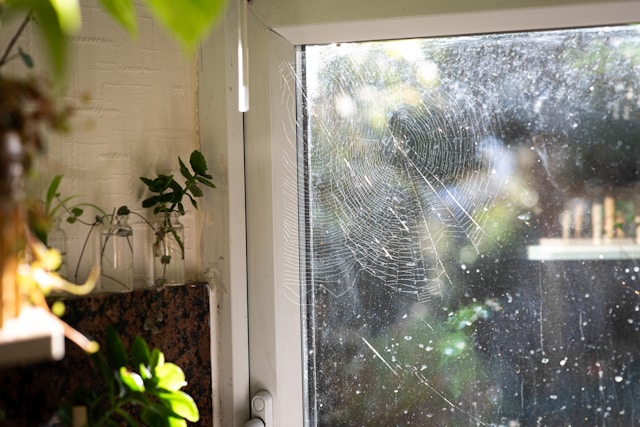

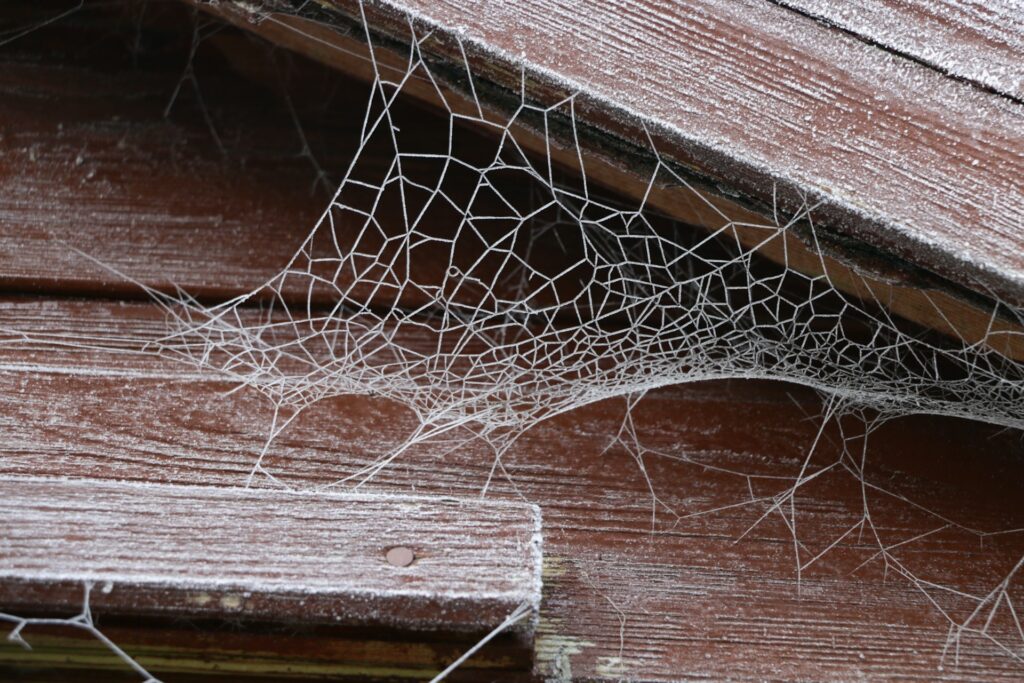
Spider webs on ceilings and walls are not just unsightly — they can make your home feel neglected and even a little unsettling. While spiders themselves are mostly harmless, their webs can accumulate dust and become a nuisance. The good news is that with smart cleaning habits, preventive measures, and natural repellents, you can drastically reduce spiders from making your ceilings and walls their home.
1. Identify the Problem Areas
Spiders often choose corners, ceiling edges, and behind furniture because these areas are quiet, undisturbed, and attract insects. Before you start removing webs, take note of:
- High corners and wall edges
- Light fixtures and ceiling fans
- Behind curtains, bookshelves, and furniture
Knowing where spiders like to build helps you target cleaning and prevention efforts effectively.
2. Clean Regularly With the Right Tools
Regular cleaning is the most effective way to keep spider webs at bay. Consider using:
- Long-handled dusters or microfiber dusters – reach high ceilings without ladders.
- Vacuum cleaner with hose attachment – safely removes webs and spiders without spreading dust.
- Soft cloths for wiping corners – especially for stubborn webs or egg sacs.
Tip: Clean once a week, focusing on corners, ceiling edges, and behind furniture. Consistency is key.
3. Seal Cracks and Entry Points
Spiders often enter through small gaps and cracks. Reducing access to your home significantly decreases web formation:
- Seal gaps around windows, doors, and vents
- Repair cracks in walls or ceilings
- Ensure screens on windows and doors are intact
Blocking entry not only reduces spiders but also keeps other insects away, which are a spider’s main food source.
4. Use Natural Spider Repellents

Chemical sprays can work, but natural remedies are safer for children, pets, and indoor use. Some effective options include:
- Peppermint oil spray: Mix 10–15 drops of peppermint oil with water in a spray bottle. Spray corners and ceilings weekly.
- Vinegar solution: A 1:1 mix of white vinegar and water deters spiders.
- Citrus peels: Spiders dislike citrus scents — place small peels in corners.
- Essential oil blends: Lemon, eucalyptus, or tea tree oils can work similarly.
5. Reduce Insect Attraction
Spiders are attracted to areas where they can hunt for food. Reducing insect activity inside your home makes it less appealing to spiders:
- Turn off unnecessary outdoor lights at night
- Keep kitchen crumbs and food sealed
- Store trash in closed bins
- Remove standing water that attracts bugs
6. Consider Strategic Lighting and Décor

Bright, well-lit rooms are less attractive to spiders than dark, cluttered spaces. Tips:
- Install bright ceiling lights or wall sconces in corners
- Keep decorative items spaced out so spiders don’t find hiding spots
- Use smooth, wipeable surfaces where webs can’t cling easily
7. Professional Help for Persistent Spider Problems
If spider webs persist despite your efforts, it may indicate a larger infestation:
- Pest control professionals can treat indoor spider populations safely
- They can identify species that may be harmful or hard to control
- Professional solutions often prevent future web formation
Quick Recap
Reducing spiders and their webs in your home requires a combination of cleaning, prevention, and natural deterrents:
- Identify problem areas: corners, ceilings, and behind furniture
- Clean regularly with dusters or vacuum attachments
- Seal cracks and potential entry points
- Use natural repellents like peppermint oil or vinegar
- Reduce insects and clutter that attract spiders
- Improve lighting and use smooth surfaces
- Seek professional help for persistent infestations
By following these steps, your ceilings and walls can stay web-free, making your home cleaner, safer, and far more inviting. Spiders may never completely disappear, but with consistent cleaning and smart preventive strategies, you can enjoy a home that looks polished and cared for all year round.