
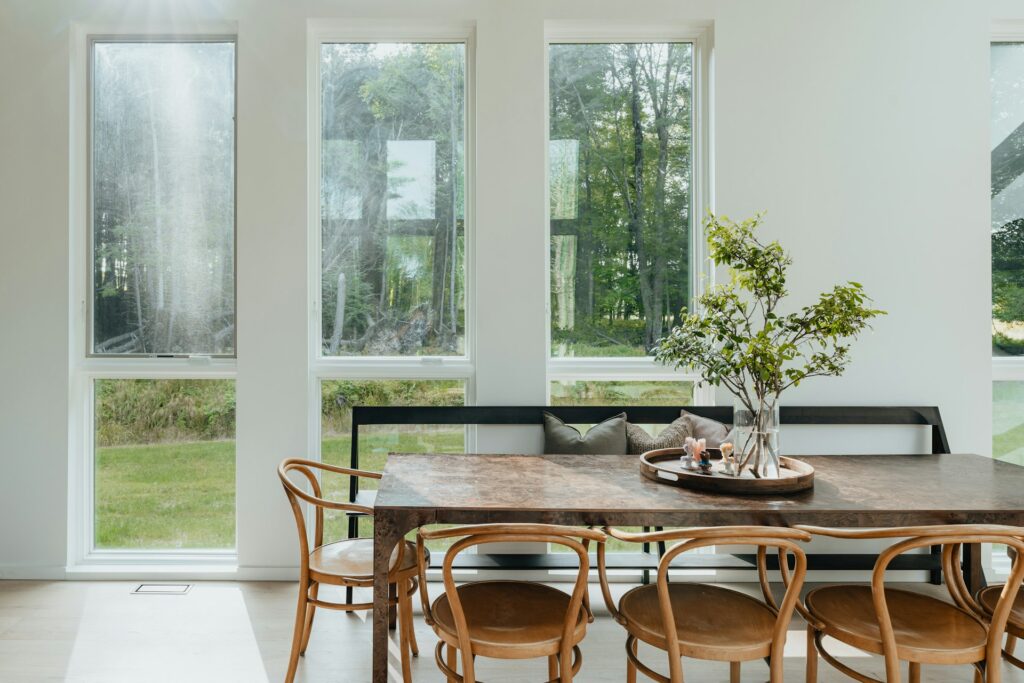
A dim, poorly lit dining room can instantly make your home feel cold, uninviting, and cramped. Even the most beautiful furniture and décor won’t shine if your lighting is wrong. The good news? With a few simple yet effective lighting strategies, you can turn your dining space into a warm, inviting area where family and guests love to gather.
Why Dining Room Lighting Matters
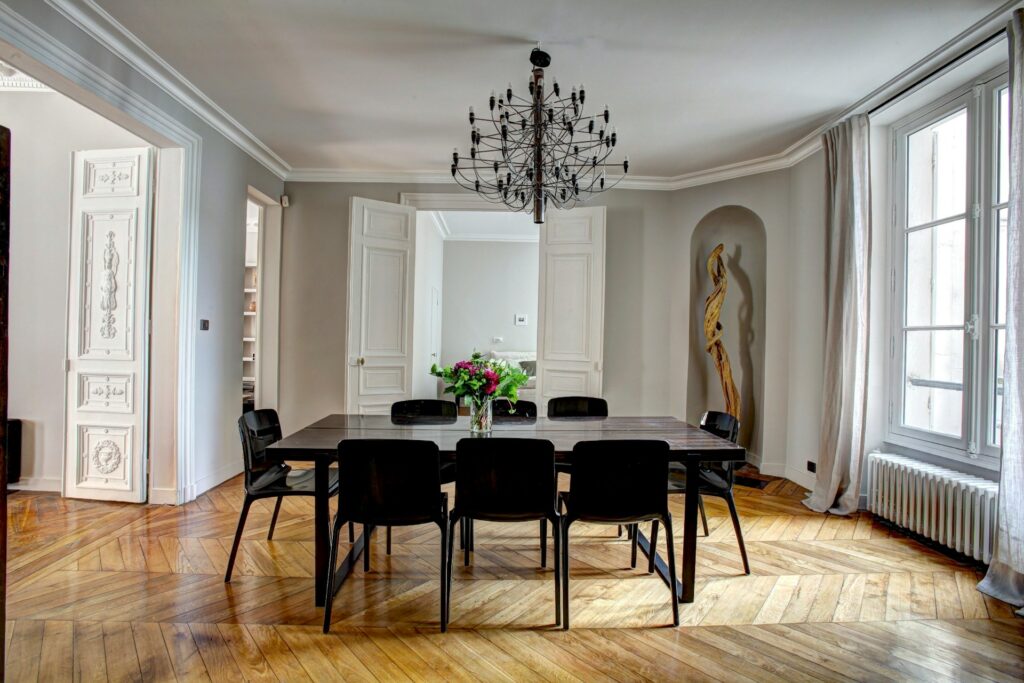
Lighting doesn’t just illuminate your space — it sets the mood, highlights design elements, and impacts comfort. Poor lighting can make:
- Your meals feel less appealing
- Your room look smaller or awkwardly shaped
- Guests feel uncomfortable or disconnected
Good lighting transforms a dining room from functional to emotionally welcoming.
1. Evaluate Your Current Lighting
Before adding anything, assess your existing setup:
- Is the room too dark even in the daytime?
- Are shadows cast in awkward places?
- Does your lighting create harsh or uneven brightness?
Understanding these issues helps you plan targeted lighting fixes rather than guessing.
2. Layer Your Lighting
Professional designers always layer lights for dimension and flexibility. This involves:
a) Ambient Lighting – The main light source for general illumination.
- Ceiling-mounted lights, recessed lighting, or chandeliers work best.
- Make sure it’s bright enough to light the whole room evenly.
b) Task Lighting – Focused lights for dining activities.
- Pendant lights above the dining table create a warm, intimate glow.
- Adjustable pendants allow you to control brightness and focus.
c) Accent Lighting – Highlights décor, art, or architectural features.
- Wall sconces or LED strips can add soft elegance.
- Accent lighting makes the room look stylish and intentional.
3. Choose the Right Bulbs
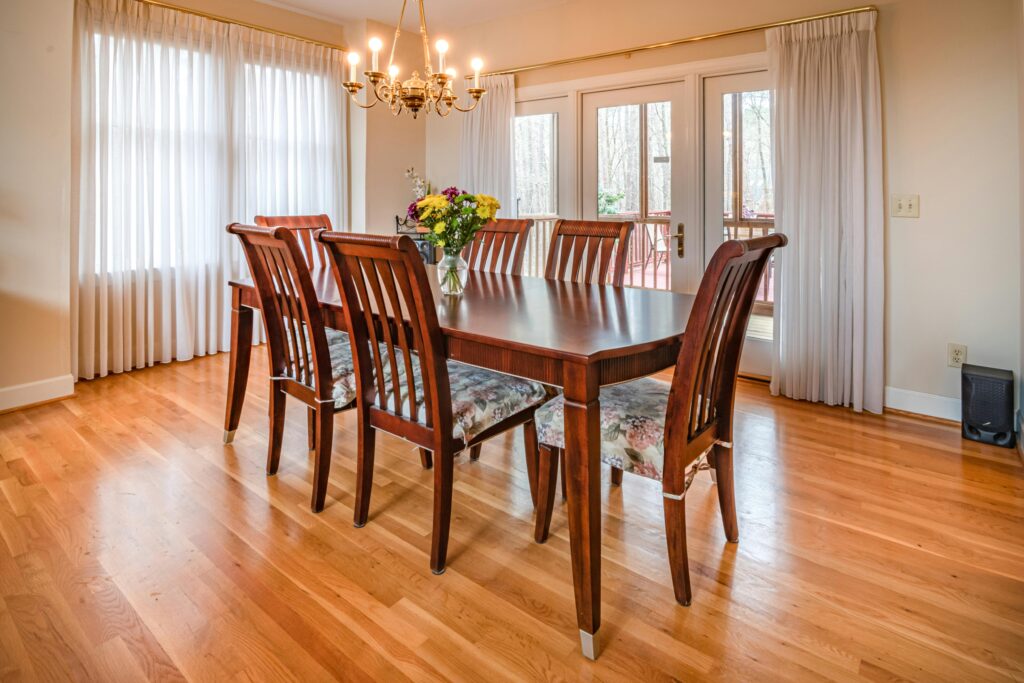
The type of bulb impacts how your dining room feels:
- Warm white (2700K–3000K) creates a cozy, inviting atmosphere.
- Daylight bulbs (5000K–6500K) can make the room feel cold and harsh — avoid for dining areas.
- Dimmable bulbs give you control to adjust the mood depending on the occasion.
Tip: Use LED bulbs for energy efficiency and long-term savings.
4. Consider Fixture Style and Placement
Your light fixtures are both functional and decorative:
- Chandelier or pendant above the table creates a visual centerpiece.
- Avoid placing lights too high or too far from the table — they won’t illuminate the dining area properly.
- Symmetry matters: Balanced placement of ceiling and wall lights improves harmony.
5. Maximize Natural Light
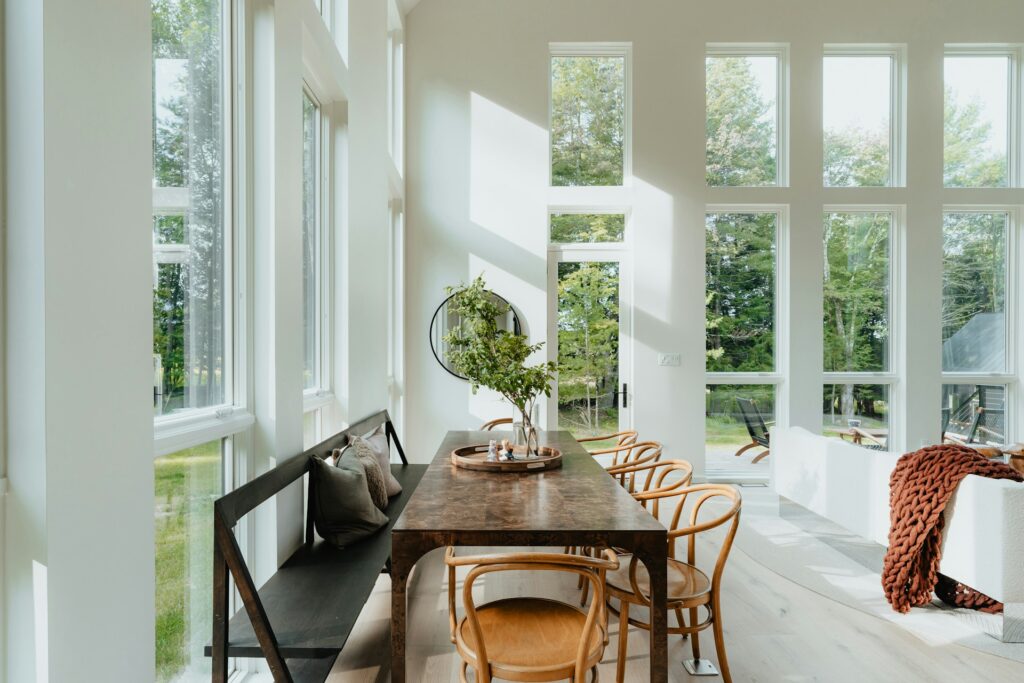
Natural light is the most flattering and cost-effective lighting source:
- Keep windows clear of heavy drapes during the day
- Use sheer curtains to diffuse sunlight softly
- Add mirrors to reflect light and make your dining room feel larger and brighter
6. Small Tricks for Instant Improvement
Even small changes can drastically improve lighting:
- Swap out dark lampshades for lighter ones
- Paint ceilings and walls in light, reflective colors
- Place candles or LED tea lights for a warm, inviting glow during meals
7. Create an Inviting Atmosphere
Lighting is not just about brightness — it’s about emotion.
- Dimmed ambient lights + a warm pendant above the table = instant cozy ambiance
- Add accent lights to highlight favorite art pieces or plants
- A well-lit dining room naturally feels more comfortable and intimate, encouraging longer meals and conversations
Final Thoughts
A poorly lit dining room can silently affect your home’s comfort, style, and even mood. By layering light, choosing the right bulbs, and using smart placement, you can transform your dining space into a warm, inviting haven.
With the right lighting, every meal becomes more enjoyable, your décor shines, and your dining room becomes the heart of your home.