
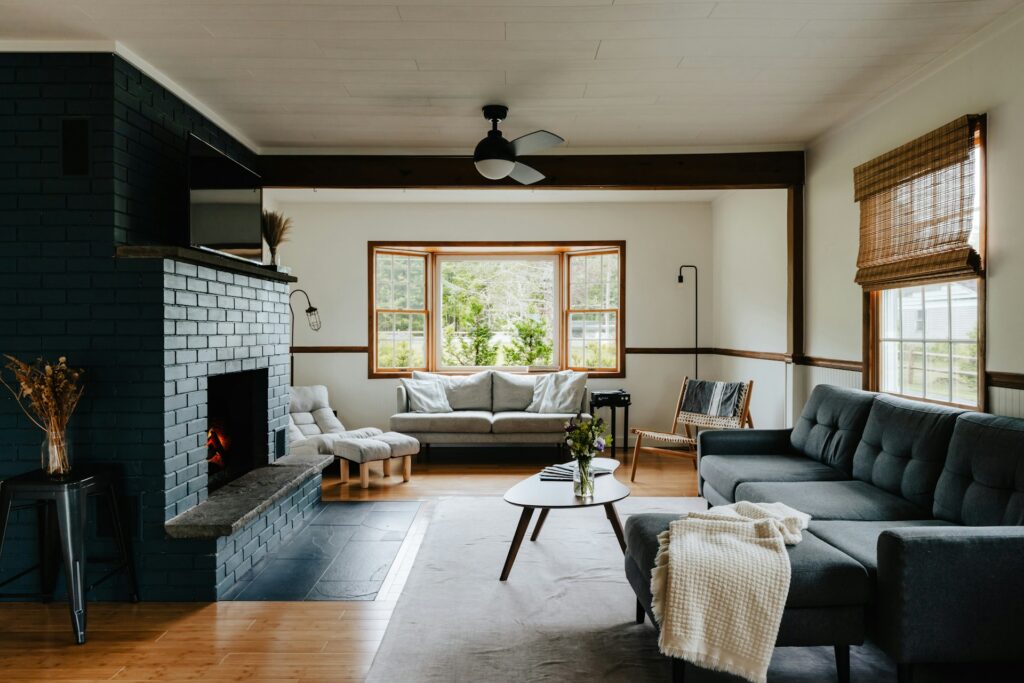
A small living room doesn’t have to feel cramped or uncomfortable. With the right design choices, even the smallest space can feel open, bright, and welcoming. Many homeowners struggle with limited square footage, but the truth is that smart decorating decisions can completely transform how a room feels.
The key isn’t necessarily buying new furniture or knocking down walls. Instead, it’s about understanding how layout, lighting, colors, and décor work together to create the illusion of space. When these elements are used thoughtfully, a compact living room can feel surprisingly spacious.
If you’re wondering how to make a small living room look bigger, the following design strategies can help you maximize your space while keeping your home stylish and comfortable.
Start with a Smart Furniture Layout
One of the biggest reasons small living rooms feel cramped is poor furniture placement. When furniture blocks walkways or sits awkwardly in the room, it can make the space feel smaller than it actually is.
Instead of pushing every piece against the wall, consider creating a balanced layout that allows easy movement around the room. Position your sofa so that it defines the seating area without crowding the space. If possible, leave a little breathing room between the furniture and the walls to make the room feel less boxed in.
A thoughtful furniture arrangement helps the room feel organized, which instantly creates a sense of openness.
Choose Furniture with the Right Scale
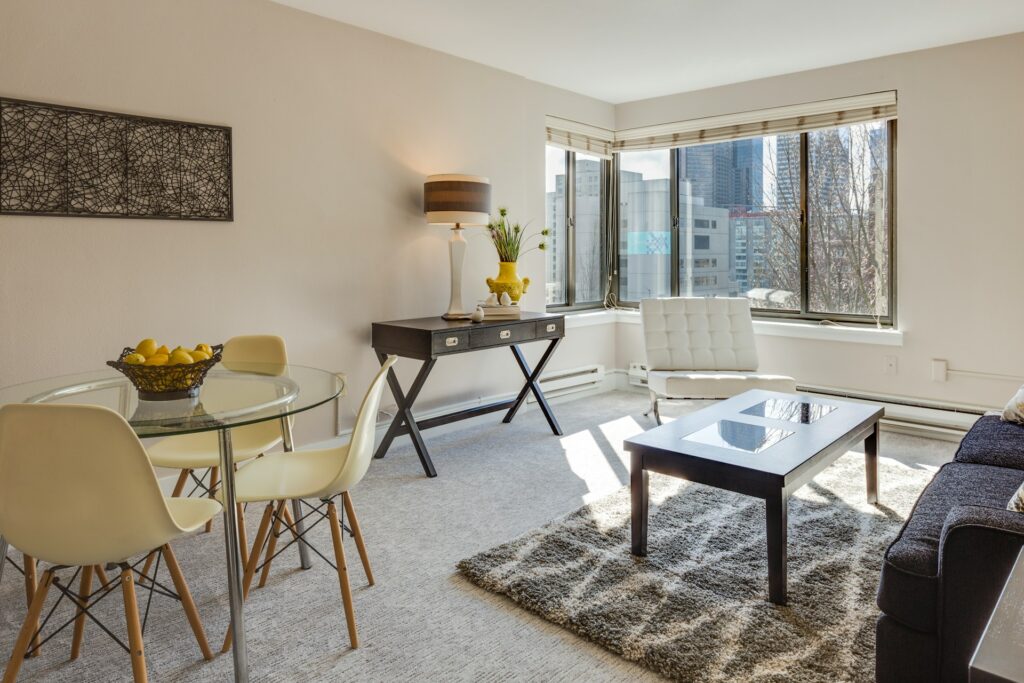
Oversized furniture is one of the quickest ways to overwhelm a small living room. Large sectionals, bulky armchairs, and heavy coffee tables can visually shrink the space.
Instead, look for furniture with a lighter appearance. Pieces with slim legs, open frames, or low profiles allow more of the floor to remain visible. This visual openness tricks the eye into perceiving a larger room.
Multi-functional furniture can also make a big difference. A storage ottoman or a compact nesting table provides practicality without adding unnecessary bulk.
Use Light Colors to Open Up the Space
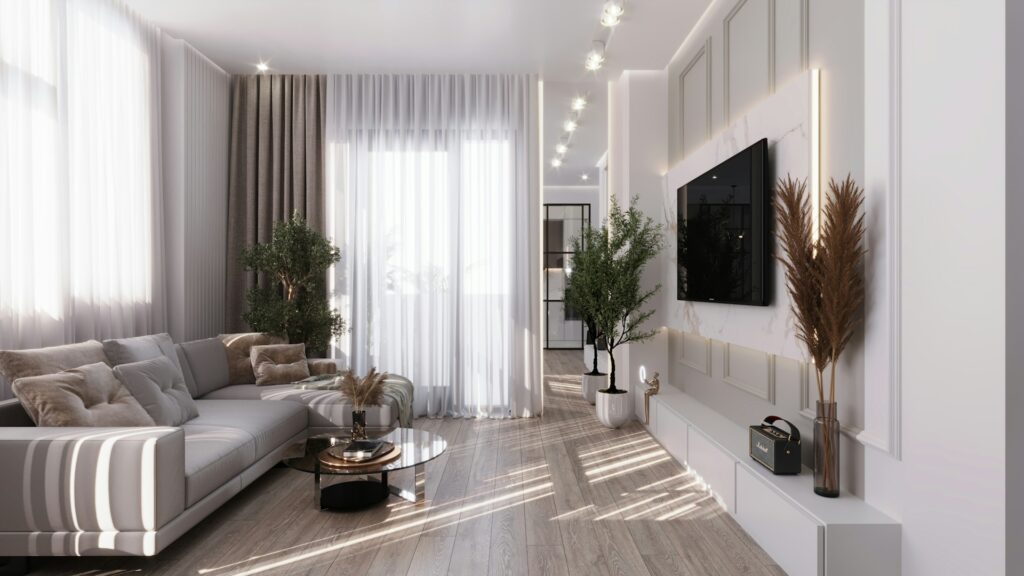
Color plays a powerful role in how large or small a room appears. Lighter shades reflect more light, which helps a room feel airy and spacious.
Soft neutrals like warm whites, gentle beiges, pale greys, and light pastels are excellent choices for small living rooms. These tones create a calm background that visually expands the space.
If you enjoy deeper colors, you can still use them in moderation through accent pillows, throws, or decorative pieces. This approach keeps the room interesting without making it feel heavy.
Maximize Natural Light
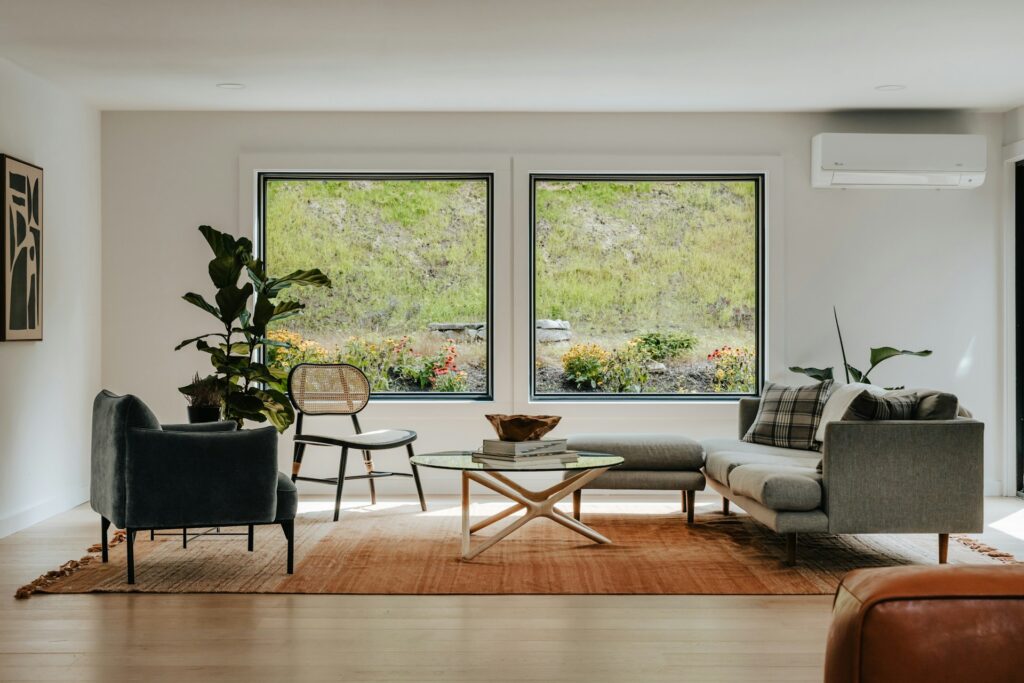
Natural light instantly makes a room feel larger and more inviting. If your living room has windows, try to keep them as open and unobstructed as possible.
Heavy curtains can block light and make the room feel enclosed. Instead, consider light, airy curtains or sheer fabrics that allow sunlight to pass through.
Another helpful trick is positioning mirrors across from windows. Mirrors reflect light throughout the room, which enhances brightness and creates the illusion of more space.
Choose the Right Rug Size
Many people assume a small room needs a small rug, but that often makes the space feel fragmented. A rug that is too small visually cuts the room into separate pieces.
A larger rug that extends under key furniture pieces helps unify the space and makes the living room appear bigger. Ideally, the front legs of your sofa and chairs should sit on the rug to create a cohesive seating area.
This simple change can dramatically improve the visual flow of a small living room.
Keep Wall Decor Balanced
Walls are important in small spaces, but too many decorations can make them feel crowded. Instead of filling every inch with frames or artwork, focus on a few well-placed pieces.
A gallery wall can work beautifully when arranged thoughtfully, but oversized art can also make a strong statement while keeping the room uncluttered.
Vertical wall décor can also draw the eye upward, giving the impression of higher ceilings and a more spacious environment.
Reduce Visual Clutter
Clutter is one of the biggest enemies of small rooms. When surfaces are crowded with too many objects, the room immediately feels tighter.
Try to keep décor simple and intentional. A few decorative accents, a small plant, or a carefully styled coffee table can create interest without overwhelming the space.
Storage baskets, cabinets, and hidden compartments help maintain a clean and organized look while keeping everyday items out of sight.
Use Vertical Space Creatively
When floor space is limited, vertical space becomes incredibly valuable. Tall bookshelves, floating shelves, or wall-mounted cabinets allow you to add storage without taking up precious floor area.
This approach also draws the eye upward, which makes the room feel taller and more expansive. Even a few well-placed shelves can provide both style and practicality.
Add Mirrors to Expand the Room Visually
Mirrors are one of the oldest design tricks for making a room look larger. By reflecting both light and surrounding décor, mirrors create depth and openness.
A large mirror placed behind a sofa or opposite a window can make a dramatic difference. Even smaller decorative mirrors can contribute to a brighter and more spacious feel.
The goal is to reflect light and views, not just fill empty wall space.
Design Choices That Make Small Spaces Feel Effortless
Creating the feeling of space in a small living room isn’t about complicated renovations or expensive redesigns. It comes down to thoughtful choices—furniture that fits the room, colors that reflect light, and layouts that allow the space to breathe.
When these elements work together, even a compact living room can feel comfortable, stylish, and surprisingly open. By focusing on simplicity, balance, and smart design strategies, you can transform a small space into a living room that feels much larger than its square footage suggests.