
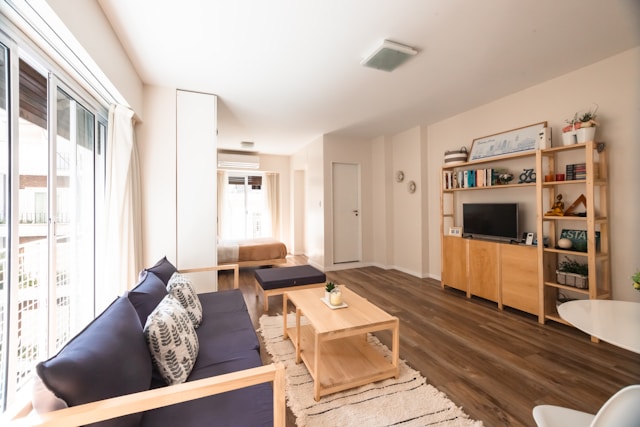
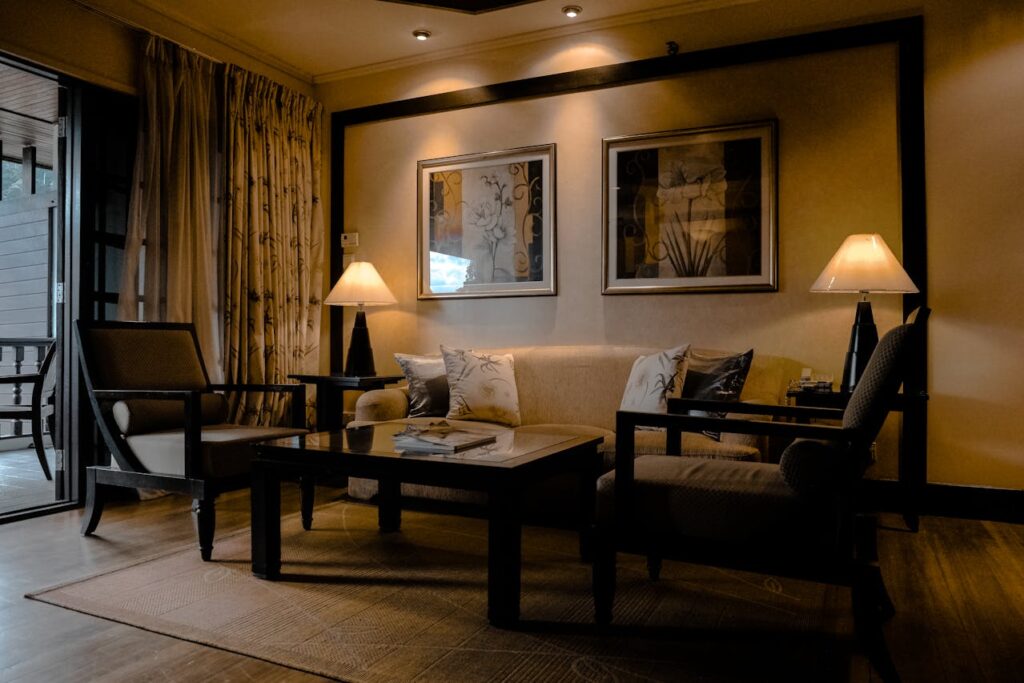
Arranging furniture in a small living room can feel like solving a puzzle. When space is limited, every piece of furniture matters, and the way it is positioned can either make the room feel open and inviting or cramped and uncomfortable.
Many people assume that a small living room simply cannot feel spacious, but in reality, layout plays a much bigger role than square footage. A thoughtful arrangement can improve flow, create balance, and make the entire space feel more functional.
If you’re trying to figure out the best furniture layout for a small living room, a few smart design principles can help you make the most of every inch without sacrificing comfort or style.
How to Decide the Perfect Function for Every Room
Before moving furniture around, it’s important to understand how the living room will actually be used. Some homes use the living room mainly for watching television, while others focus on conversation, reading, or relaxing with family.
Knowing the main purpose of the space helps you decide where the focal point should be. In many homes, the television becomes the center of the layout. In other cases, a window with a beautiful view or a statement coffee table can naturally anchor the room.
Once the focal point is clear, arranging the rest of the furniture becomes much easier and more intentional.
Choose the Right Spot for the Sofa
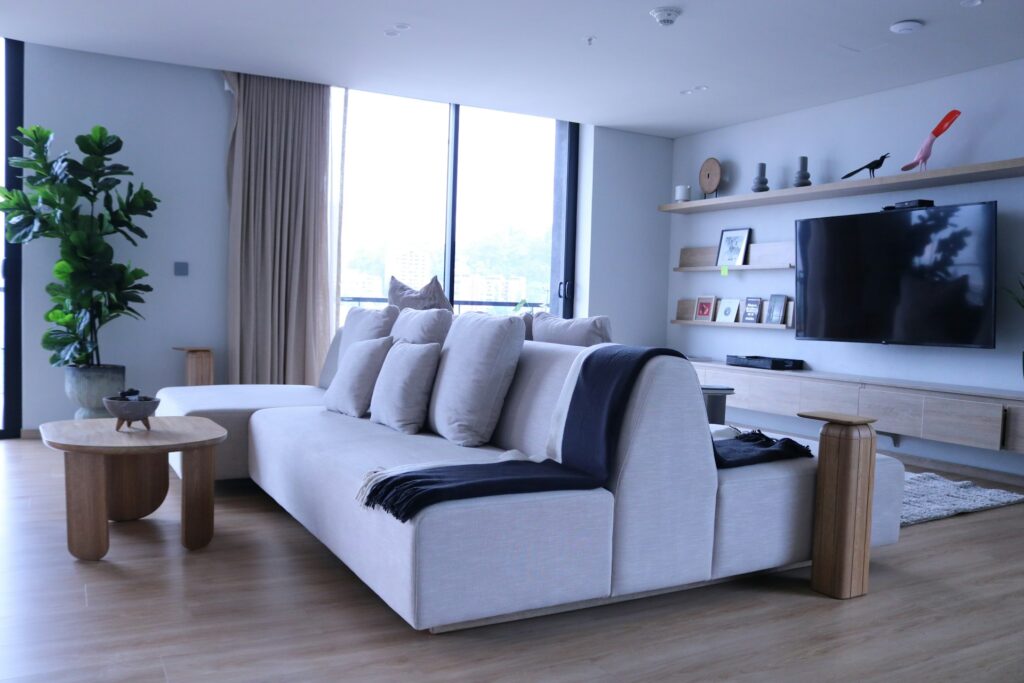
The sofa is usually the largest piece of furniture in the living room, so its placement has a big influence on the overall layout.
In a small living room, positioning the sofa against the longest wall often works well because it keeps the center of the room open. This arrangement also helps maintain clear walking paths, which makes the room feel less crowded.
If the space allows, placing the sofa slightly away from the wall can also add depth and make the room feel more balanced. Even a few inches of space can change how the room feels.
Create Clear Walking Paths
One of the biggest mistakes in small living rooms is blocking natural walkways with furniture. When people have to squeeze between chairs or tables, the room instantly feels smaller.
A comfortable layout should allow easy movement around the seating area. Ideally, there should be enough space to walk between furniture pieces without constantly adjusting or bumping into things.
Keeping the pathways open not only improves functionality but also gives the room a more relaxed and spacious atmosphere.
Use Fewer but More Functional Furniture Pieces
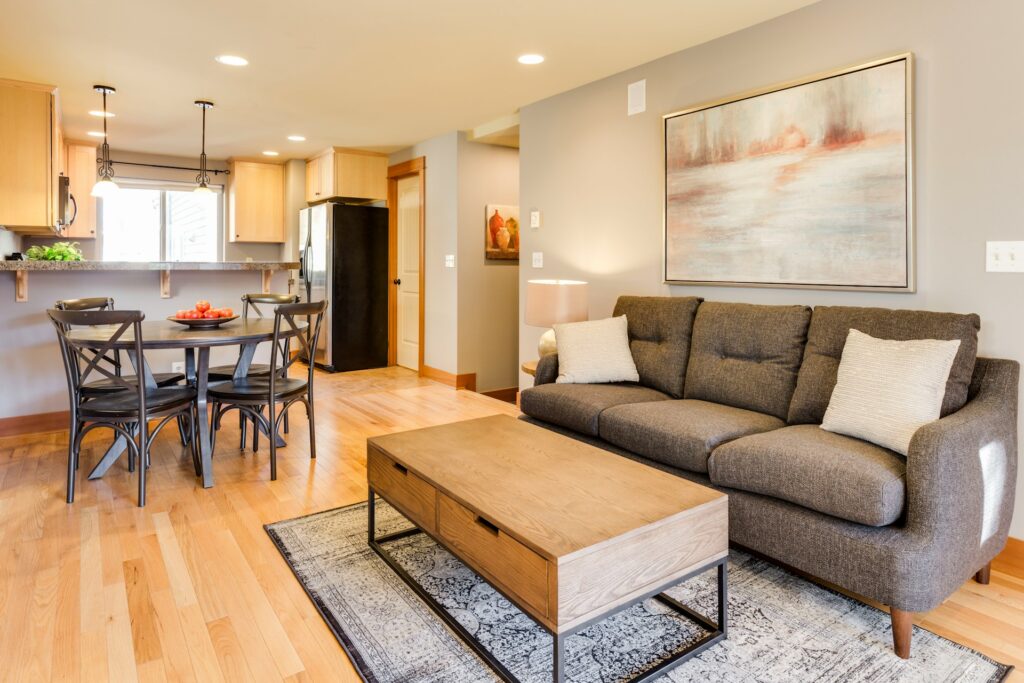
Small living rooms benefit from simplicity. Instead of filling the space with many small furniture pieces, focus on a few essential items that serve multiple purposes.
For example, an ottoman can function as a coffee table, extra seating, or hidden storage. Nesting tables can be tucked away when not needed and expanded when guests arrive.
This approach keeps the room practical while preventing visual clutter.
Consider Corner Layouts for Extra Space
Corners are often underused in small living rooms, yet they can be incredibly valuable when designing a layout.
Placing a chair, small loveseat, or floor lamp in a corner can help balance the room while freeing up the central area. Corner shelving or compact cabinets can also provide storage without taking up too much floor space.
Using corners wisely allows the room to feel more open and organized.
Choose Coffee Tables That Fit the Space
The coffee table should complement the layout rather than dominate it. In small living rooms, bulky coffee tables can restrict movement and make the seating area feel crowded.
Compact designs such as round tables, oval tables, or nesting tables often work better because they take up less visual space and allow easier movement around the room.
Another option is a slim rectangular table that sits comfortably between the sofa and chairs without blocking walkways.
Balance the Room Visually
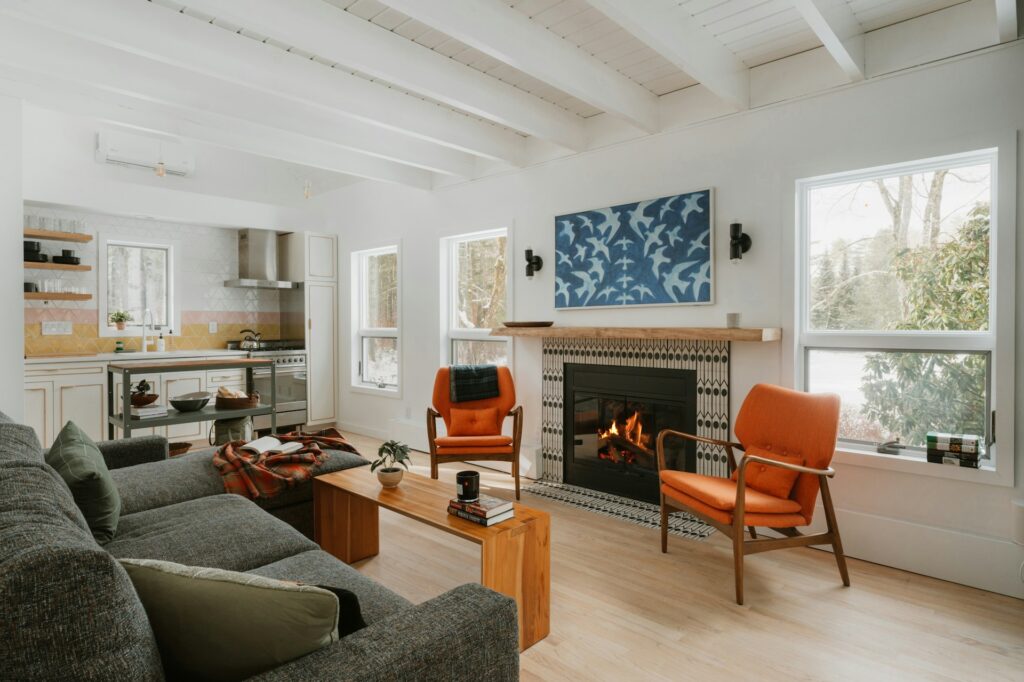
Even in small spaces, balance is important. If one side of the room feels heavier than the other, the layout can appear awkward.
Try to distribute furniture evenly throughout the space. For example, if the sofa sits on one side, a chair or side table on the opposite side can help maintain visual harmony.
Lighting can also contribute to balance. A floor lamp or table lamp placed strategically can make the room feel more complete without adding bulk.
Keep the Layout Open and Flexible
A flexible layout is especially helpful in smaller homes. Furniture that can be moved easily allows the space to adapt when needed, whether you are entertaining guests or simply rearranging for a fresh look.
Lightweight chairs, movable stools, and small side tables make it easier to adjust the arrangement while maintaining a comfortable living area.
The goal is to create a layout that works for everyday living while still feeling open and adaptable.
Designing a Layout That Works with Your Space
The best furniture layout for a small living room is not about fitting as many pieces as possible into the space. Instead, it’s about choosing the right furniture, placing it thoughtfully, and allowing the room to breathe.
When walkways remain clear, furniture fits the scale of the room, and the layout feels balanced, even a compact living room can become a comfortable and inviting place to relax. With a little planning and creativity, a small space can work surprisingly well while still reflecting your personal style.